WASH (Water, Sanitation & Hygiene)
Improving access to safe water, sanitation, and hygiene through infrastructure support and community behavior change.
WASH (Water, Sanitation & Hygiene) Projects
Community Borehole Rehabilitation and Sustainable Water Access Strengthening
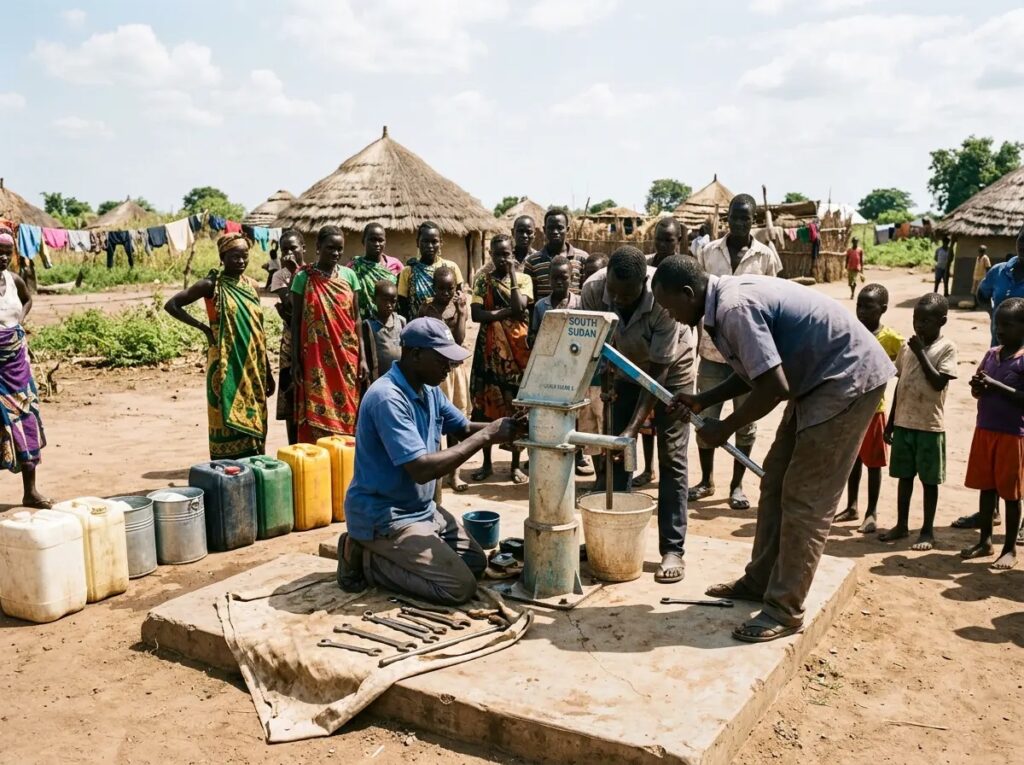
The Community Borehole Rehabilitation and Sustainable Water Access Strengthening programme addresses the widespread challenge of non-functional water infrastructure in rural communities across South Sudan and Uganda. Many boreholes have deteriorated over time due to lack of spare parts, limited technical capacity, and weak maintenance systems, leaving communities dependent on unsafe or distant water sources.
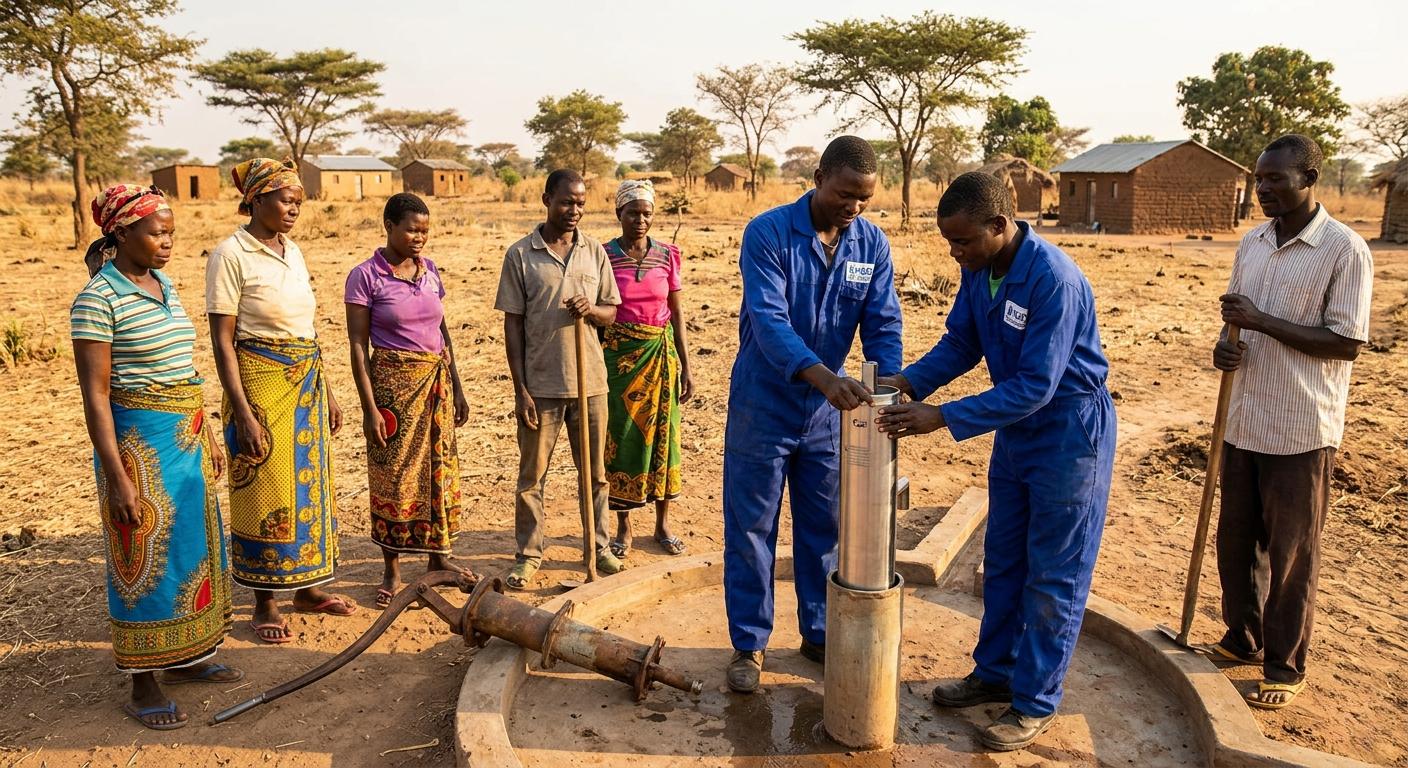
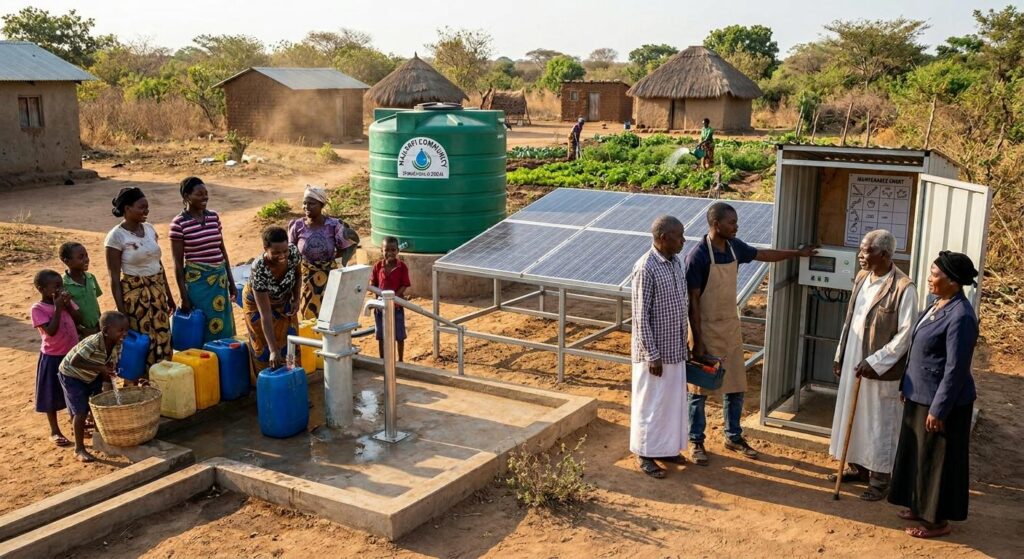
The programme focuses on restoring broken boreholes and strengthening long-term community management systems to ensure sustainability. Rehabilitation activities include repairing or replacing damaged hand pumps, restoring water flow, and ensuring safe and reliable access to clean water for households. Each restored borehole typically serves hundreds of people, significantly improving access to safe drinking water.
A key component of the programme is capacity building for local pump mechanics, who are trained in basic repair and maintenance skills. This enables communities to respond quickly to breakdowns without depending on external technicians. In parallel, water user committees are established or strengthened to manage water points, regulate usage, and ensure transparency in decision-making.
To support long-term sustainability, community-managed maintenance funds are introduced, where households contribute small fees to cover future repairs and spare parts. This system strengthens ownership and reduces long-term dependency on external support.
The programme significantly reduces the time spent by women and children fetching water, improving school attendance, productivity, and household wellbeing. It also contributes to reduced waterborne diseases, enhancing overall community health and resilience.
School-Based Water, Sanitation and Hygiene (WASH) Improvement and Behavior Change Programme
The School-Based Water, Sanitation and Hygiene (WASH) Improvement and Behavior Change Programme aims to enhance health, dignity, and learning outcomes in primary and secondary schools by improving access to safe water, sanitation facilities, and hygiene education.
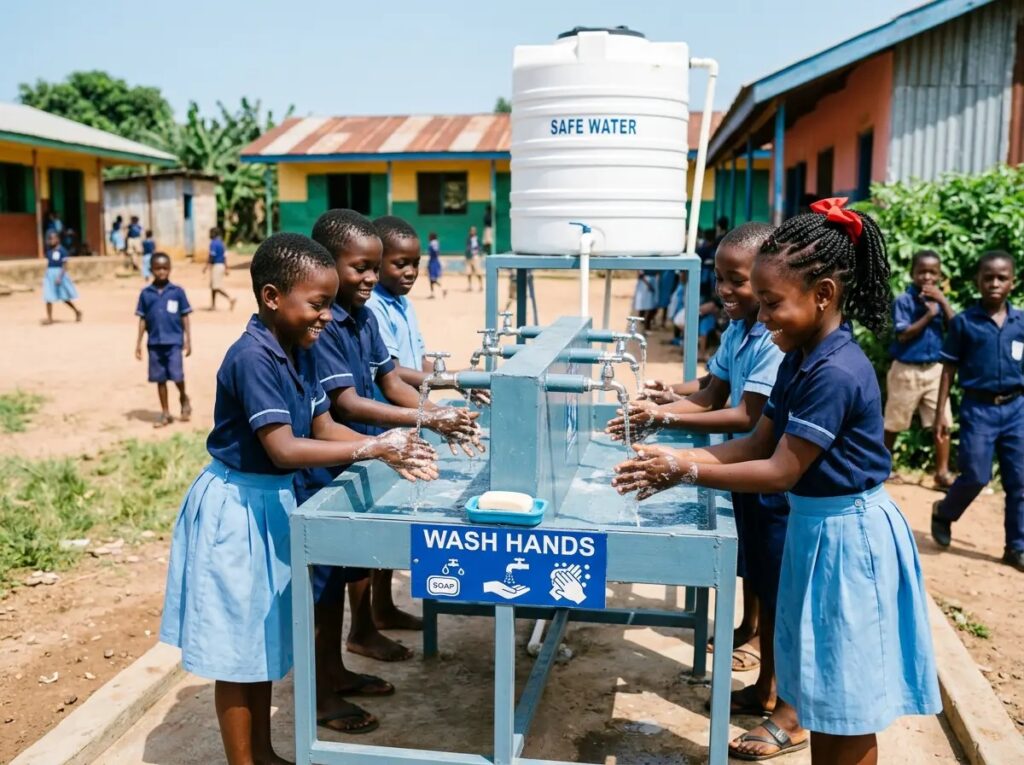
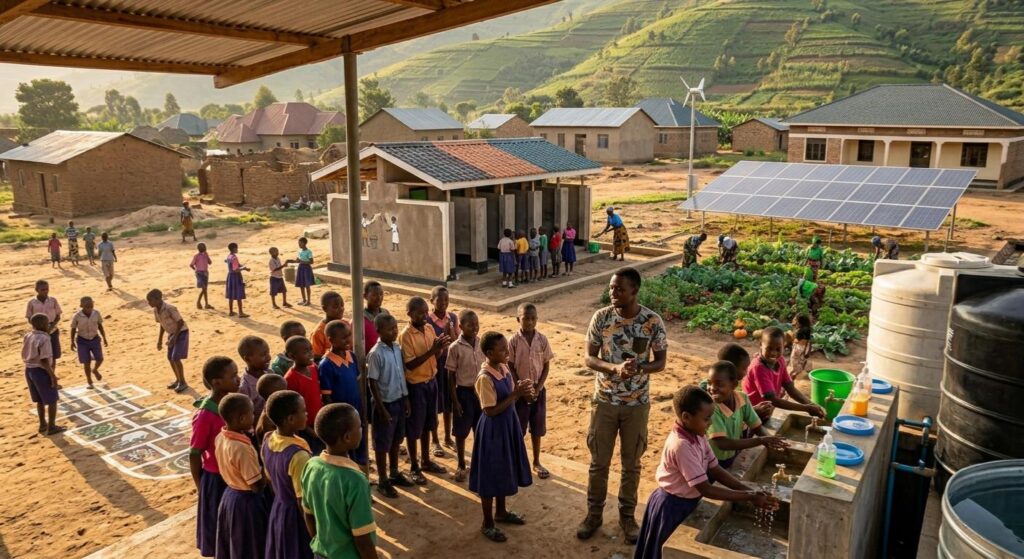
The programme supports schools with the installation and upgrading of essential WASH infrastructure, including handwashing stations, rainwater harvesting systems, and improved gender-sensitive latrines. These facilities ensure that students have access to safe water and dignified sanitation within the school environment.
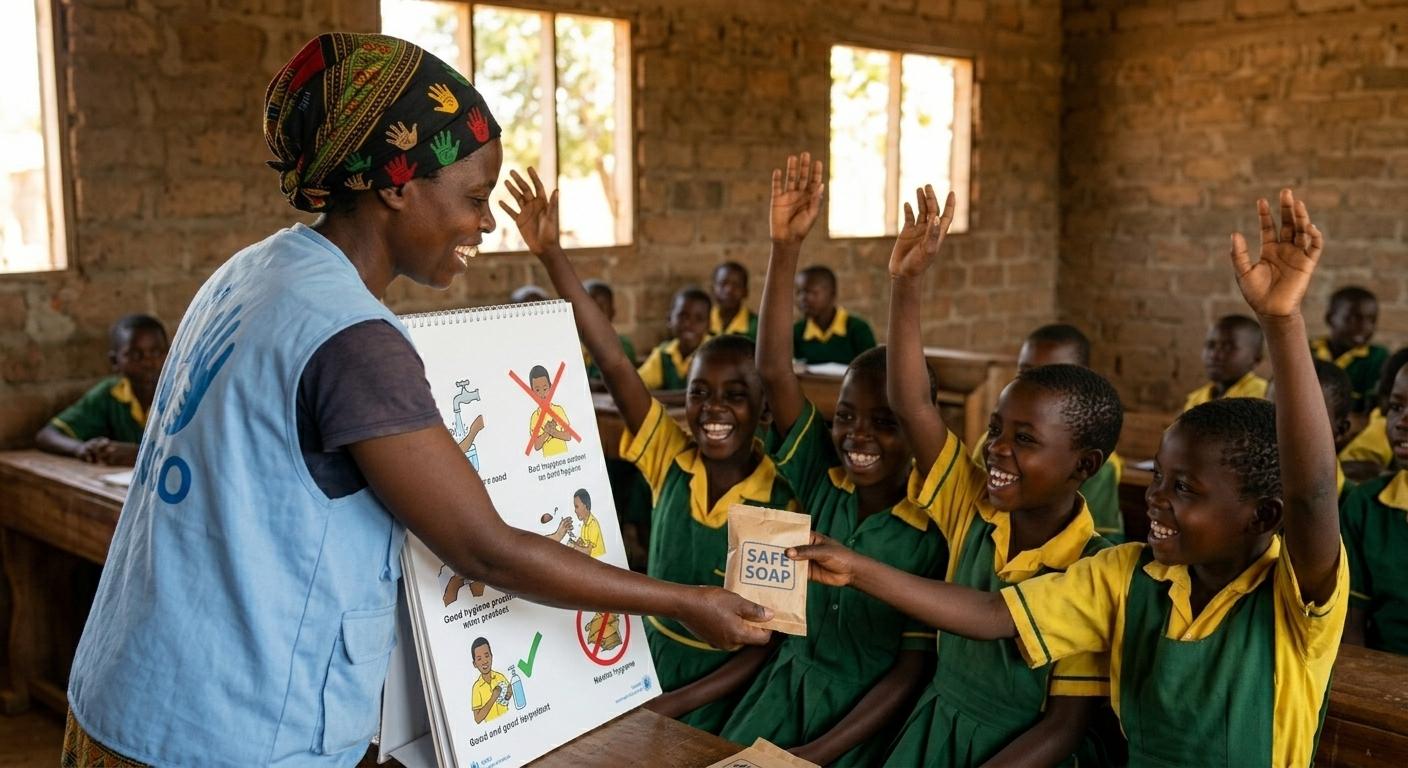
In addition to infrastructure development, the programme promotes strong hygiene behavior change through structured education and peer-led initiatives. Teachers and students are trained as hygiene champions who lead daily handwashing practices, sanitation awareness activities, and peer education sessions. This helps embed hygiene practices into everyday school routines.
The programme also engages parents and surrounding communities to reinforce hygiene awareness beyond the school setting, ensuring that behavior change is sustained at household level.
As a result, schools report improved attendance, particularly among girls, reduced disease outbreaks, and a healthier learning environment. The programme contributes to better educational outcomes and strengthens long-term hygiene practices across communities
Community-Led Sanitation Infrastructure Development and Open Defecation Free (ODF) Transformation Programme
The Community-Led Sanitation Infrastructure Development and Open Defecation Free (ODF) Transformation Programme addresses the lack of adequate sanitation facilities in underserved communities. Poor sanitation often leads to open defecation, environmental pollution, and the spread of preventable diseases.
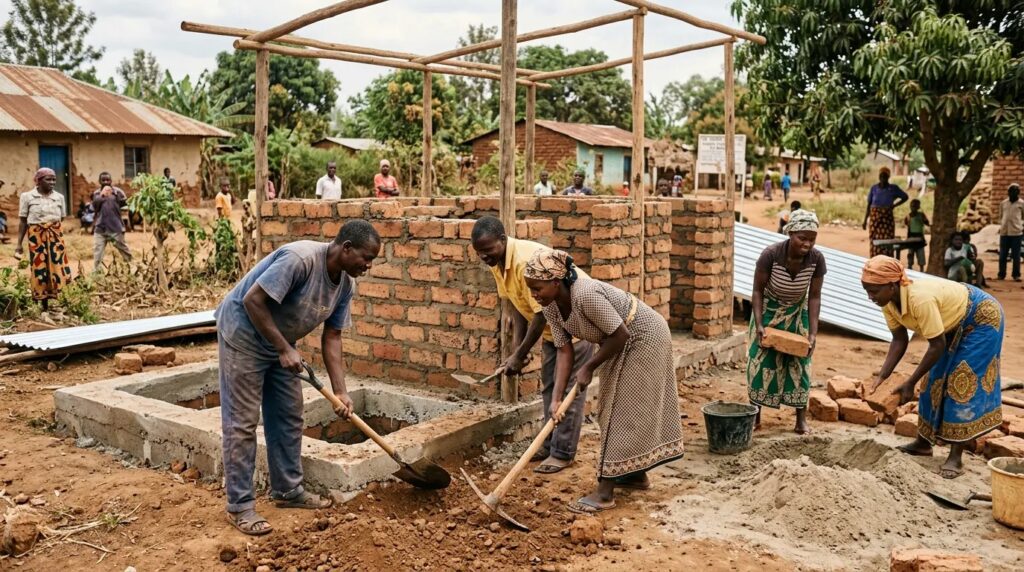
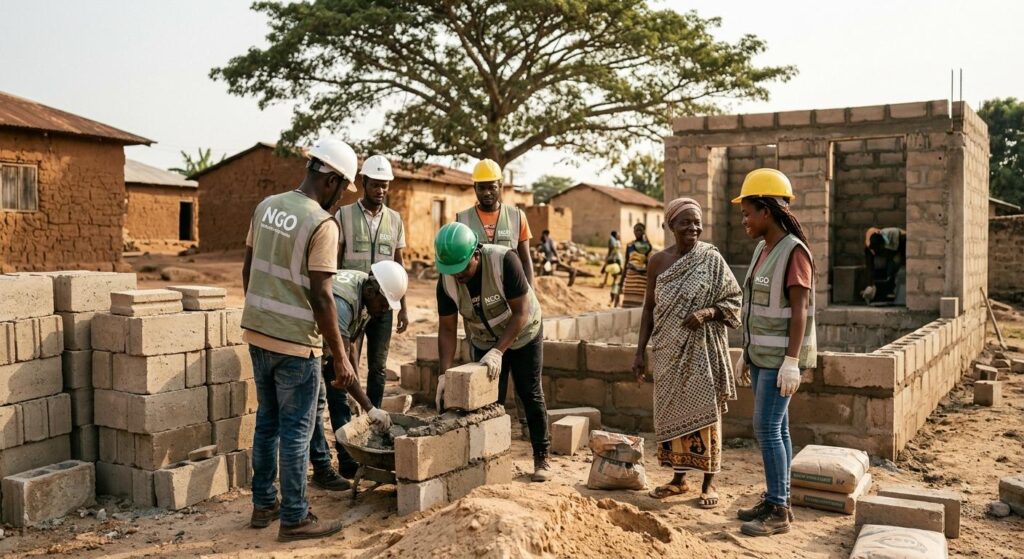
The programme focuses on constructing durable, safe, and gender-sensitive latrines for households, schools, health facilities, and public areas. These facilities are designed to ensure privacy, dignity, and accessibility, particularly for women, girls, and vulnerable groups.
Community participation is central to the approach. Local residents are actively involved in construction activities and are trained in basic sanitation facility building and maintenance. This enables communities to replicate and sustain improvements independently.
The programme applies a Community-Led Total Sanitation (CLTS) approach, encouraging collective behavior change and community ownership to eliminate open defecation. Through awareness and mobilization, communities are triggered to take responsibility for improving sanitation conditions.
As a result, participating villages experience improved environmental cleanliness, reduced incidence of waterborne diseases, and enhanced public health. The programme also strengthens dignity and safety, particularly for women and girls, while fostering collective action and social cohesion.
Safe Drinking Water Quality Monitoring and Household Water Treatment Programme
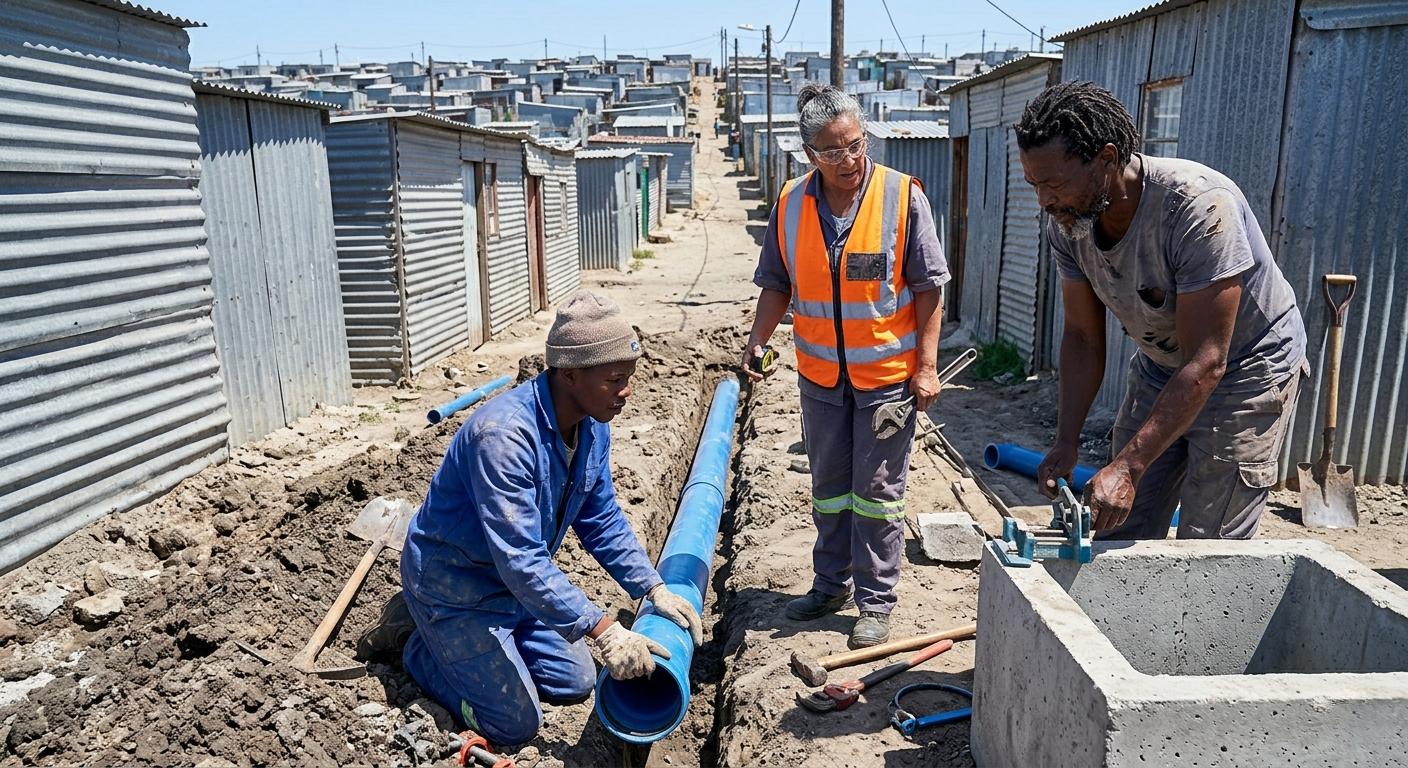
The Safe Drinking Water Quality Monitoring and Household Water Treatment Programme focuses on ensuring that communities not only have access to water but also consume safe and contamination-free drinking water. Unsafe water remains a major public health risk in many rural areas due to bacterial, chemical, and environmental contamination.
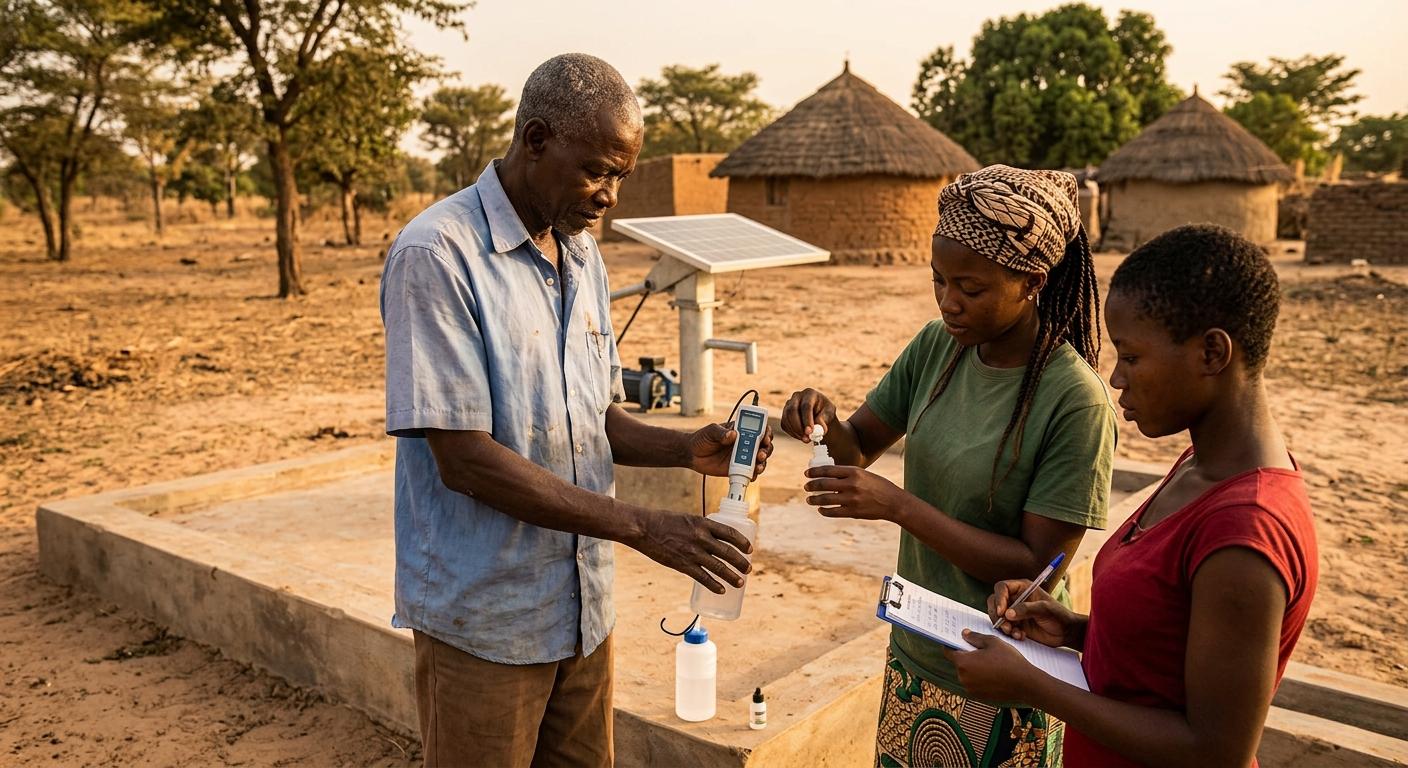
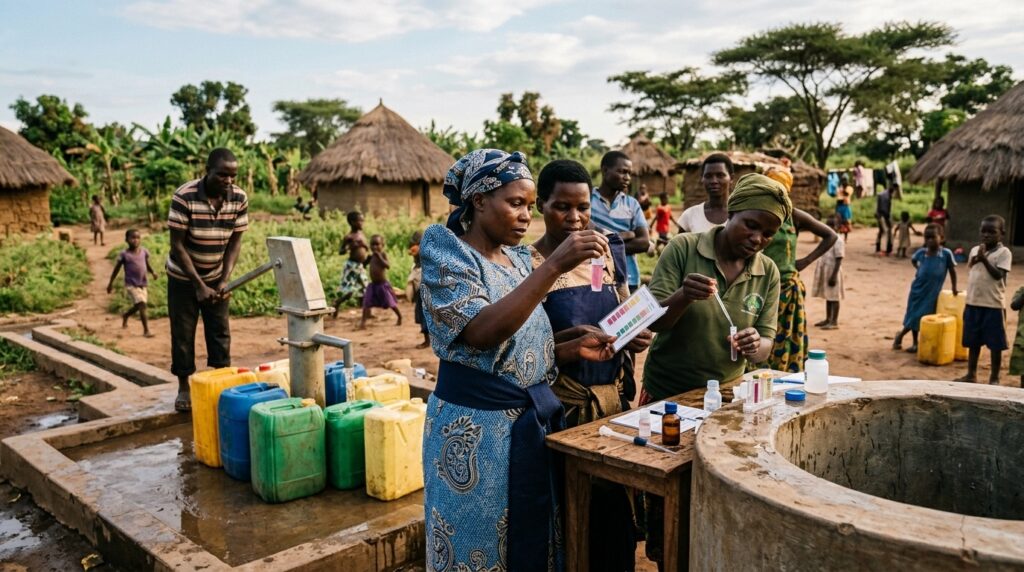
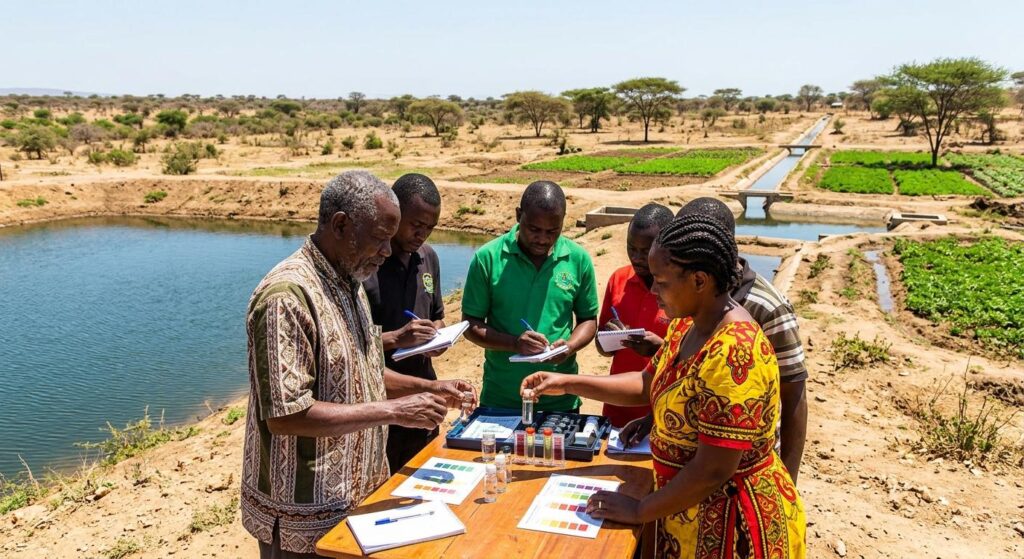
The programme trains community volunteers in basic water quality testing using affordable field testing kits. These kits enable local monitoring of water sources for contamination, empowering communities to take immediate action when risks are identified.
Where unsafe water sources are detected, the programme introduces practical household-level treatment solutions, including ceramic filtration, chlorination, and solar disinfection methods. These technologies are low-cost, easy to use, and effective in reducing waterborne diseases.
The programme also emphasizes preventive protection of water sources through fencing, drainage control, and proper waste management practices around wells and water points. Community awareness sessions promote safe water handling, storage, and hygiene practices at household level.
As a result, communities experience improved water safety, reduced disease incidence, and increased awareness of hygiene practices. The programme strengthens local capacity to monitor, treat, and protect water sources, contributing to long-term public health improvement.
Menstrual Health, Hygiene Education and Women and Girls Empowerment Programme
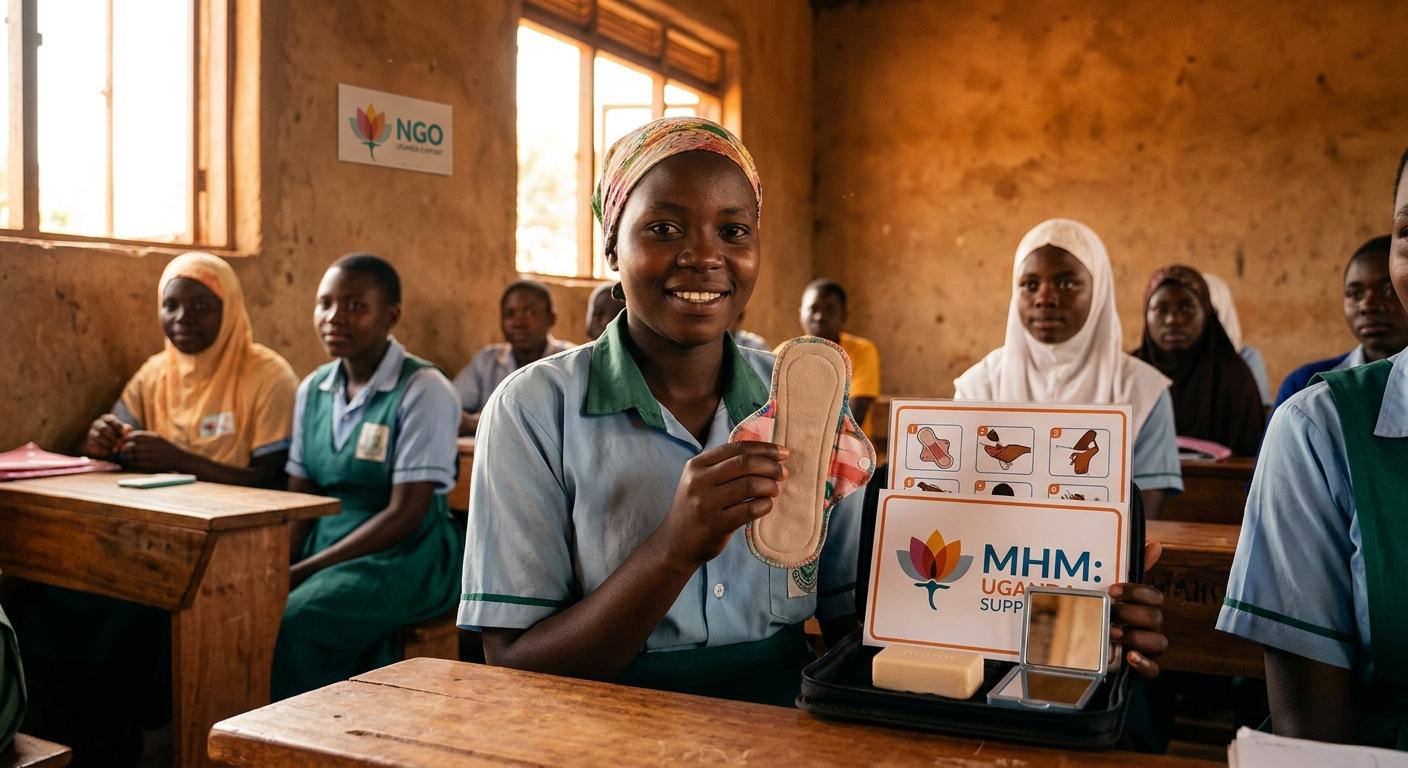
The Menstrual Health, Hygiene Education and Women and Girls Empowerment Programme addresses critical barriers faced by girls and women in managing menstruation with dignity, safety, and confidence. In many communities, stigma, lack of information, and limited access to affordable menstrual products lead to school absenteeism and social exclusion.
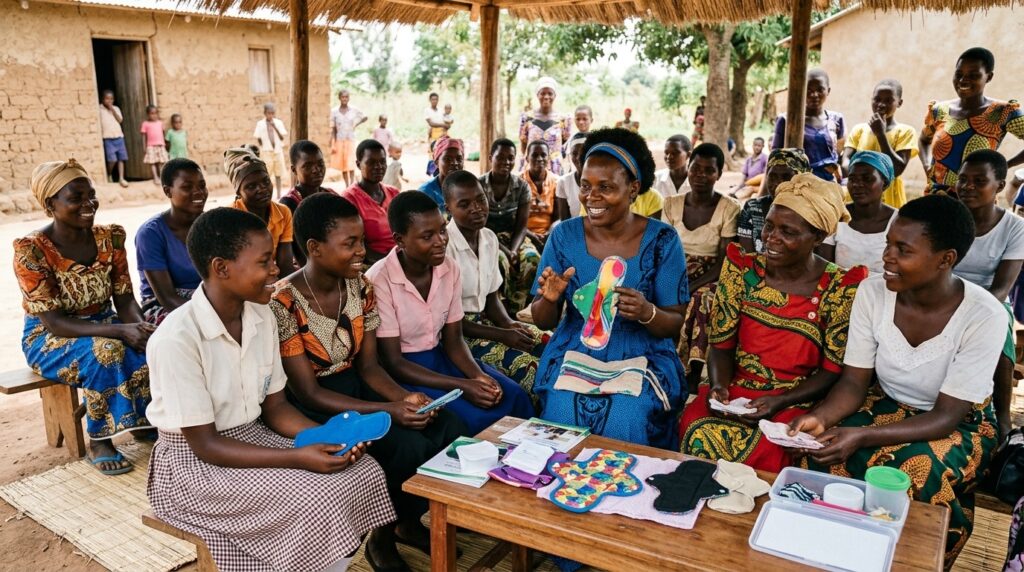
The programme provides comprehensive menstrual hygiene education in schools and communities, promoting accurate knowledge and breaking harmful myths and taboos. Both boys and girls are included in awareness sessions to foster understanding and reduce stigma.
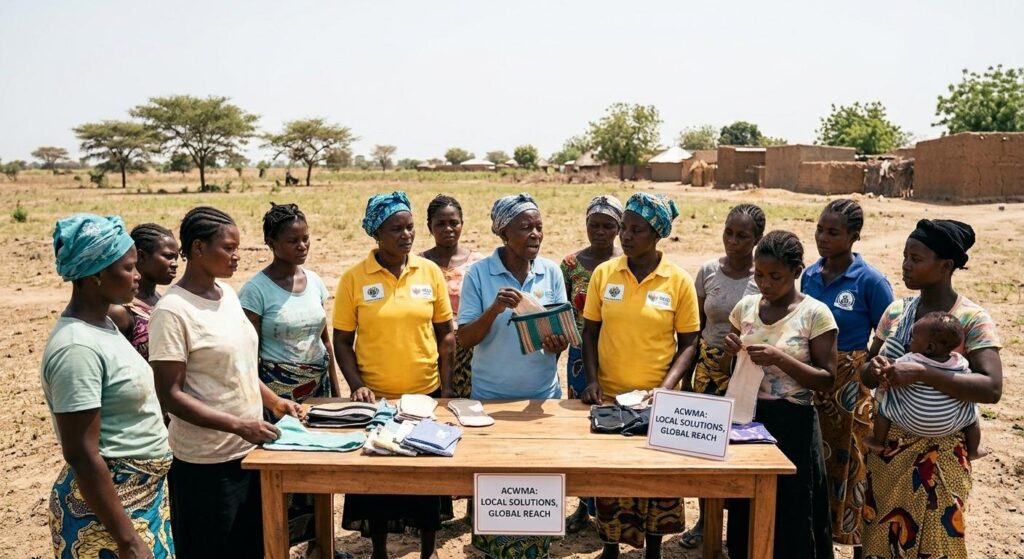
A key component of the programme is supporting women’s groups to produce reusable sanitary pads using locally available materials. This approach improves access to affordable menstrual products while also creating income-generating opportunities for women.
The programme also advocates for the construction and improvement of girl-friendly sanitation facilities, including private changing rooms in schools, ensuring that girls can manage menstruation safely and with dignity.
Community engagement activities further promote open dialogue and cultural change around menstrual health. These efforts strengthen acceptance and support within households and communities.
As a result, the programme reduces school absenteeism among girls, improves confidence and participation, and strengthens gender equality. It empowers girls and women to fully engage in education, work, and community life without stigma or limitation.