Food Security & Climate-Smart Agriculture
Enhancing food security and resilience through climate-smart farming, improved productivity, and value chain development.
Food Security & Climate-Smart Agriculture
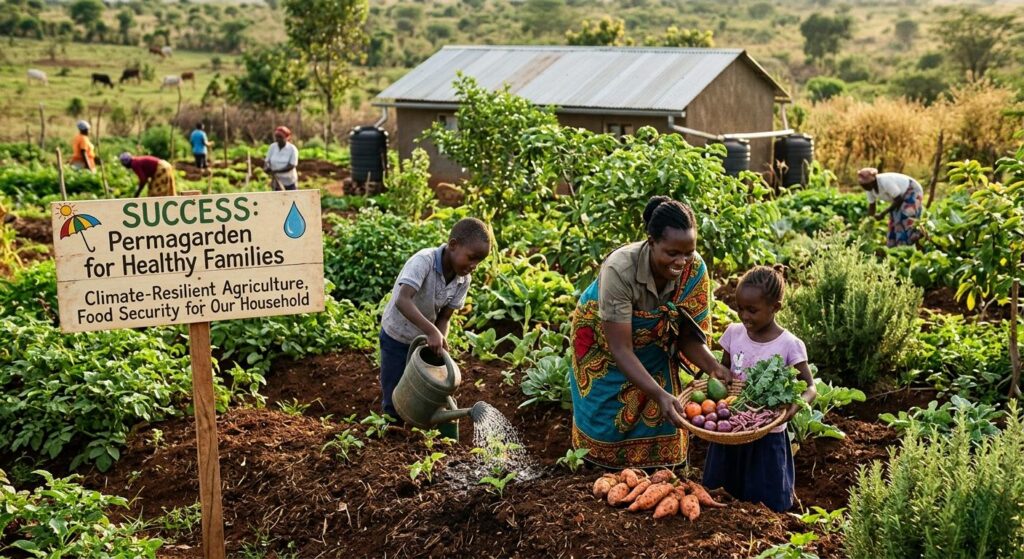
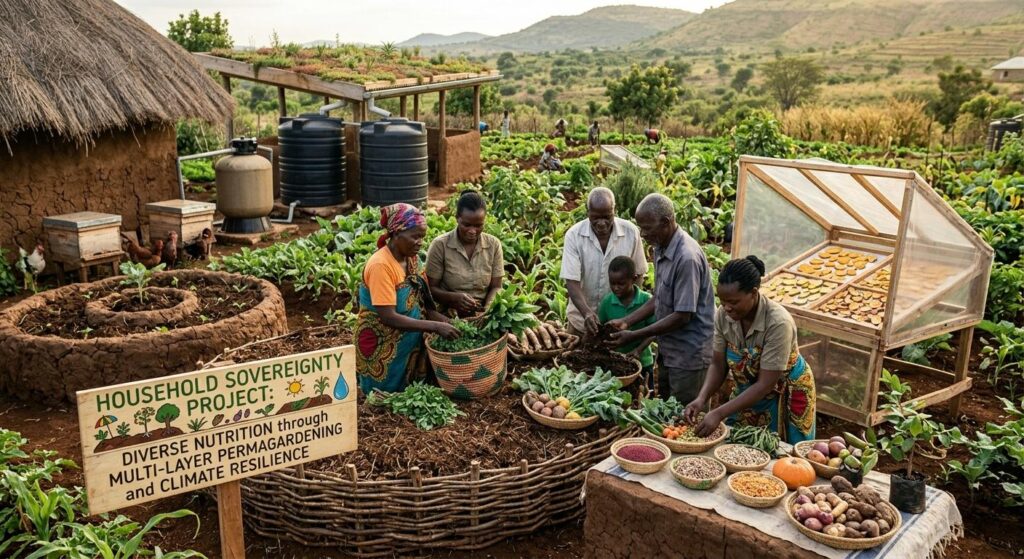
Household Nutrition and Food Security through Climate-Resilient Permagardening
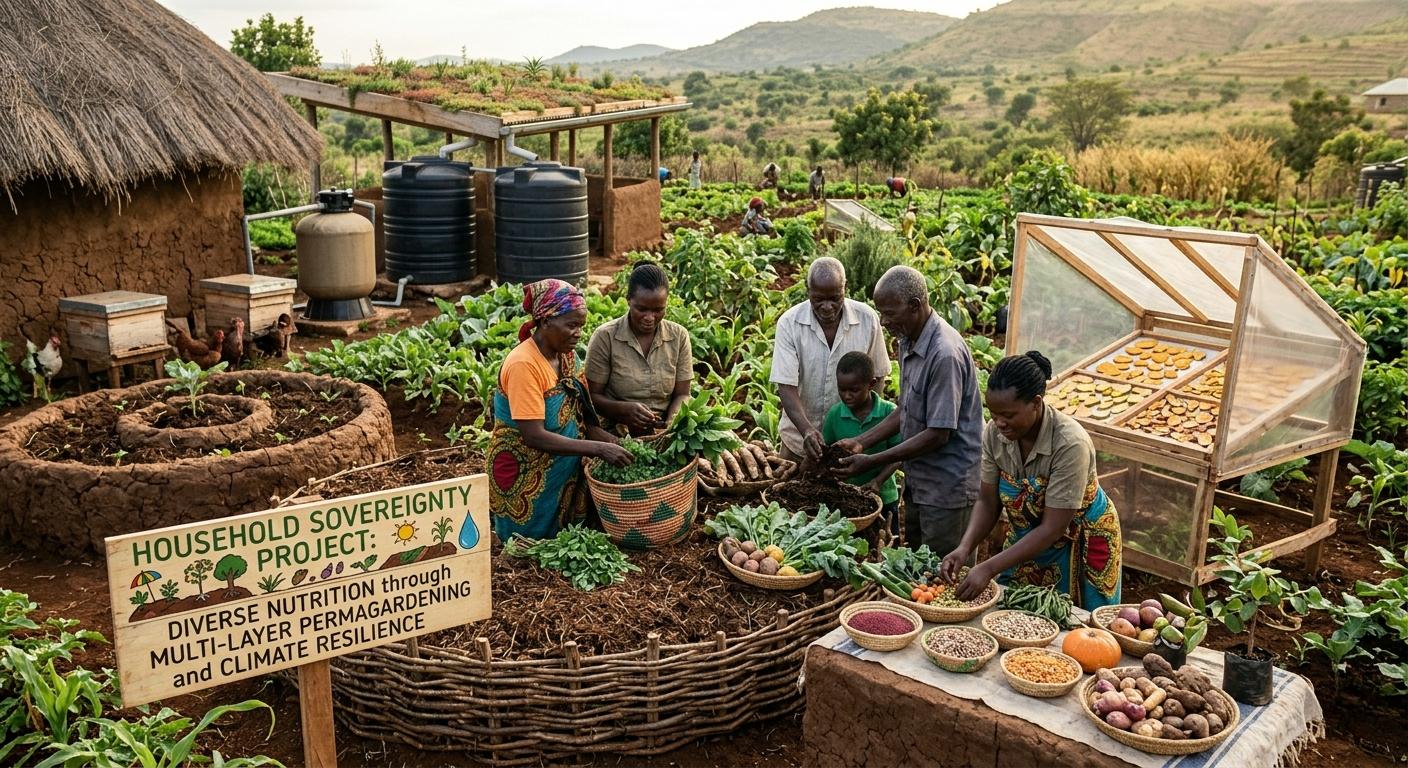
The Household Nutrition and Food Security through Climate-Resilient permagardening programme supports vulnerable households in establishing sustainable and productive kitchen gardens using permaculture-based farming techniques. The initiative is designed to strengthen household-level food security by promoting year-round production of diverse, nutrient-rich vegetables within small homestead spaces.
Participants are trained in practical permagardening methods, including raised bed construction, composting, mulching, water harvesting systems, and companion planting. These techniques are introduced in a simple, hands-on manner to ensure accessibility for low-literacy and resource-constrained households. The programme emphasizes the use of locally available materials, reducing dependence on external inputs while promoting environmental sustainability.
The intervention primarily targets families with young children, pregnant women, and lactating mothers, as these groups are most vulnerable to malnutrition and food insecurity. Through regular coaching and demonstration sessions, households learn how to improve soil fertility, extend growing seasons, and diversify crop production to ensure consistent access to fresh vegetables.
Beyond nutrition outcomes, the programme contributes to economic resilience. Many participating households report a significant reduction in seasonal hunger periods and improved dietary diversity. In addition, surplus production is often sold in local markets, generating small but meaningful income that supports household needs such as education and healthcare.
The programme has also demonstrated strong resilience during crises. During the Covid-19 lockdowns, participating households maintained stable food access through home-grown production, while non-participating families faced higher levels of food shortage. This highlights the model’s effectiveness in strengthening community-level resilience to shocks and disruptions.
Overall, the programme promotes self-reliance, improved nutrition, and sustainable household food systems, contributing to long-term health and livelihood security.
Climate-Resilient Agriculture and Farmer Capacity Development
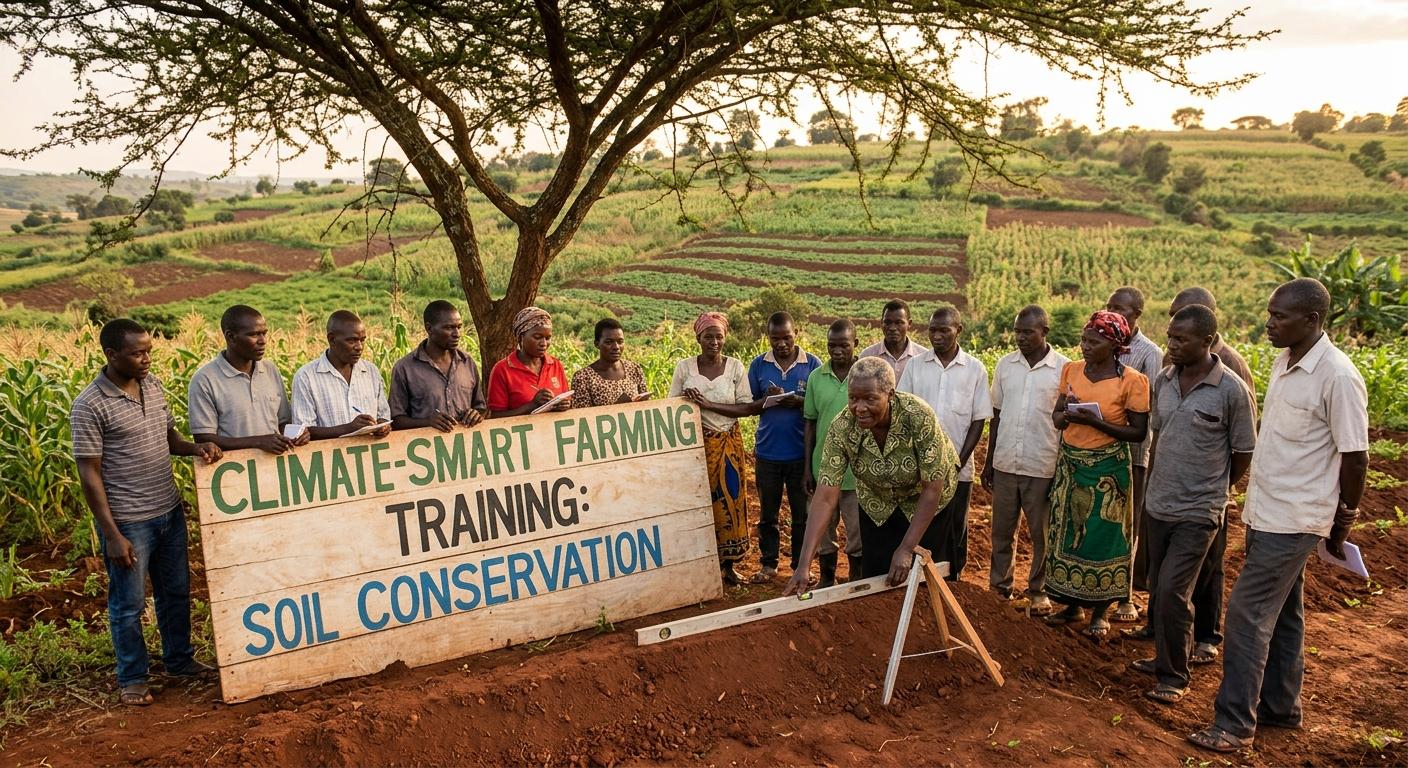
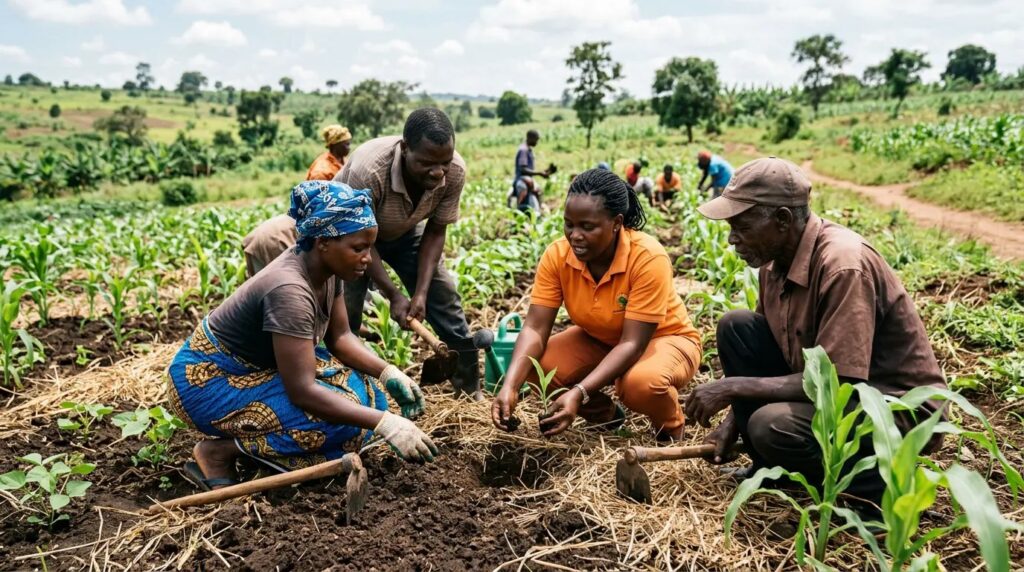
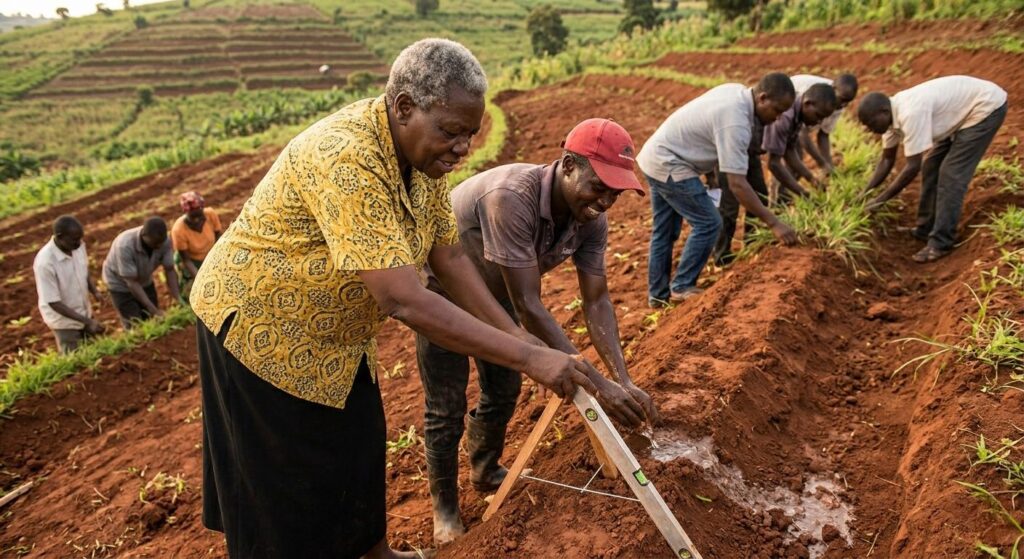
The Climate-Resilient Agriculture and Farmer Capacity Development programme is designed to strengthen the adaptive capacity of smallholder farmers facing increasing climate variability, environmental degradation, and market uncertainty. The initiative focuses on improving agricultural productivity while ensuring long-term sustainability and resilience of farming systems.
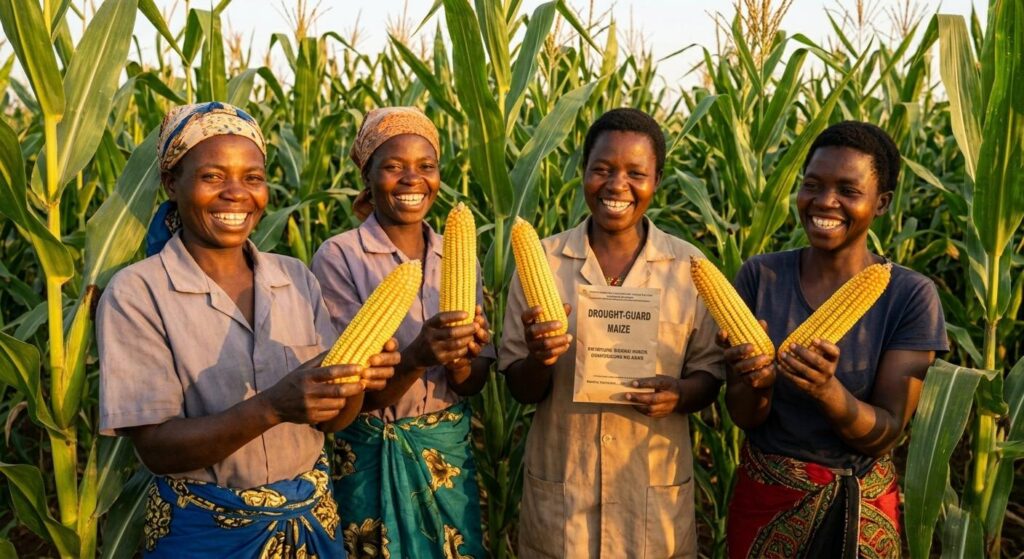
The programme is implemented through farmer field schools, which serve as participatory learning platforms where farmers acquire knowledge through practical, experience-based training. Key climate-smart agriculture practices introduced include the use of drought-tolerant crop varieties, conservation agriculture, mulching, minimum tillage, intercropping, and efficient water management techniques. These approaches are tailored to local agro-ecological conditions to ensure relevance and effectiveness.
Demonstration plots are established within farming communities, allowing participants to observe, test, and apply improved practices directly in the field. This “learning by doing” approach strengthens adoption rates and builds farmer confidence. Extension workers provide continuous technical support, mentoring farmers as they implement new techniques on their own land and adapt them to local challenges.
The programme also encourages peer-to-peer learning, enabling farmers to share experiences, challenges, and innovations within their communities. This helps to strengthen collective knowledge and sustainability beyond the project cycle.
As a result, participating farmers have reported increased crop yields, improved soil health, reduced input costs, and enhanced resilience to droughts and erratic rainfall patterns. The adoption of climate-smart practices has also contributed to more stable food production and reduced vulnerability to climate shocks.
Overall, the programme strengthens food security, supports sustainable land use, and builds resilient farming systems capable of adapting to changing environmental conditions.
Sustainable Livestock Development and Pastoral Livelihood Support
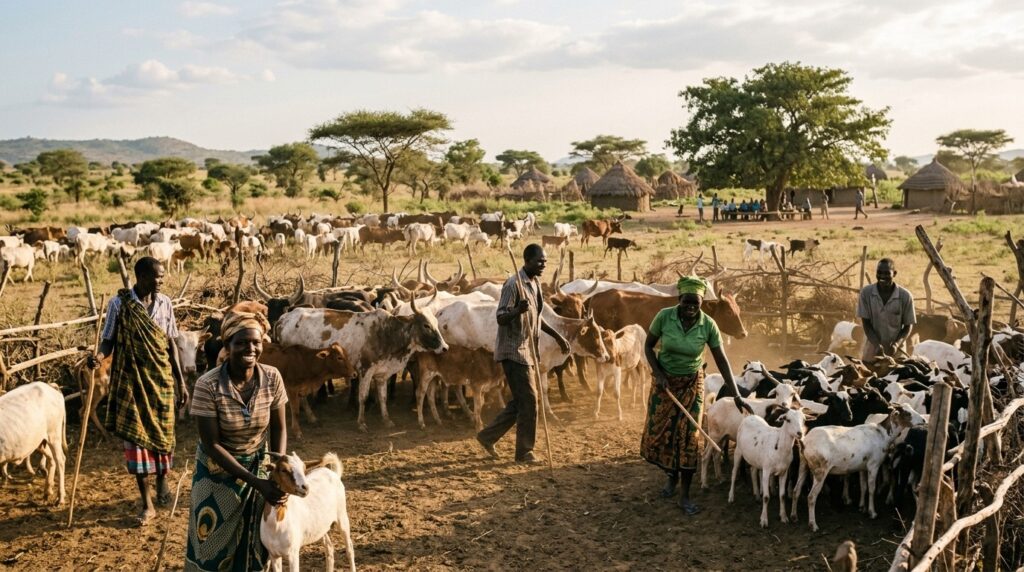
The Sustainable Livestock Development and Pastoral Livelihood Support programme is designed to strengthen the resilience, productivity, and market access of pastoralist and agro-pastoralist communities. Livestock represents a critical livelihood asset in many rural and fragile environments, and this programme aims to enhance its sustainability and economic value.
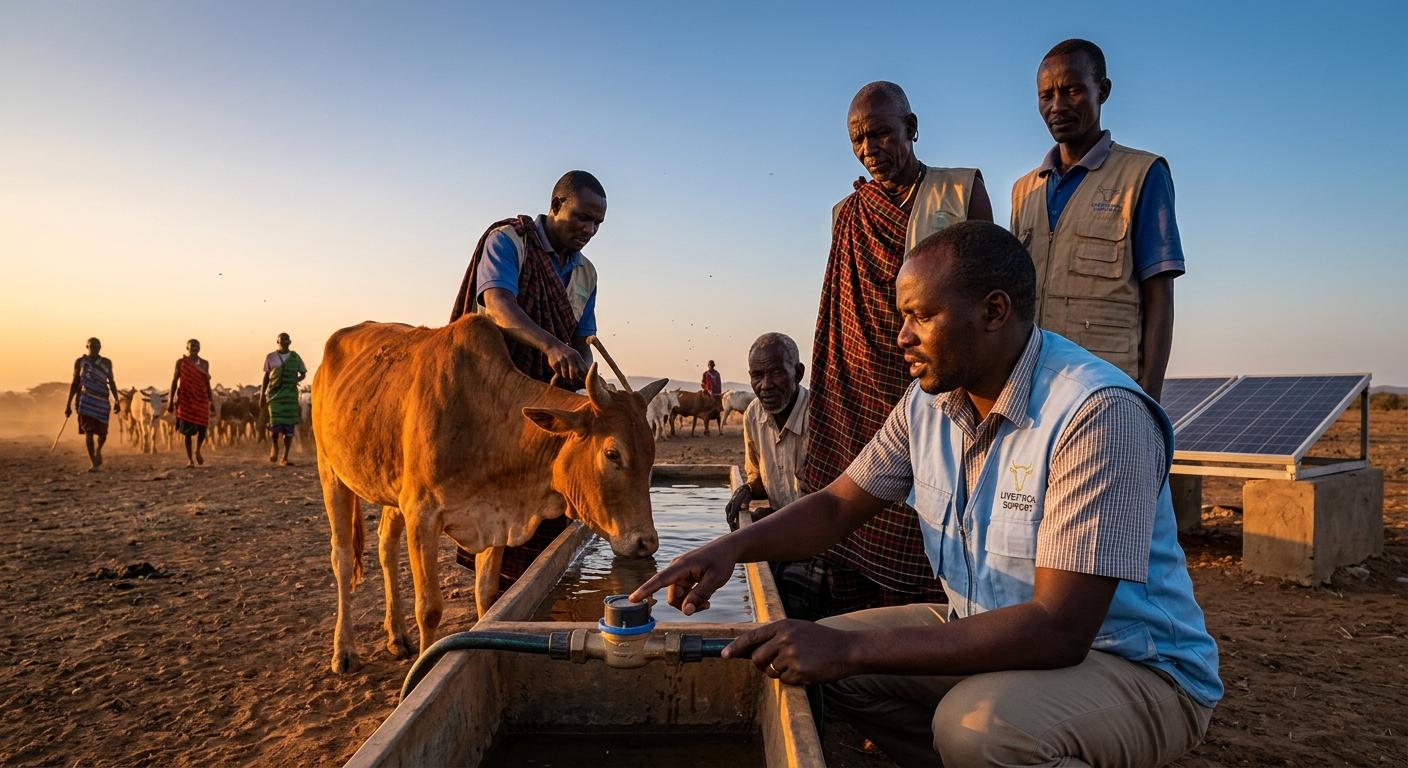
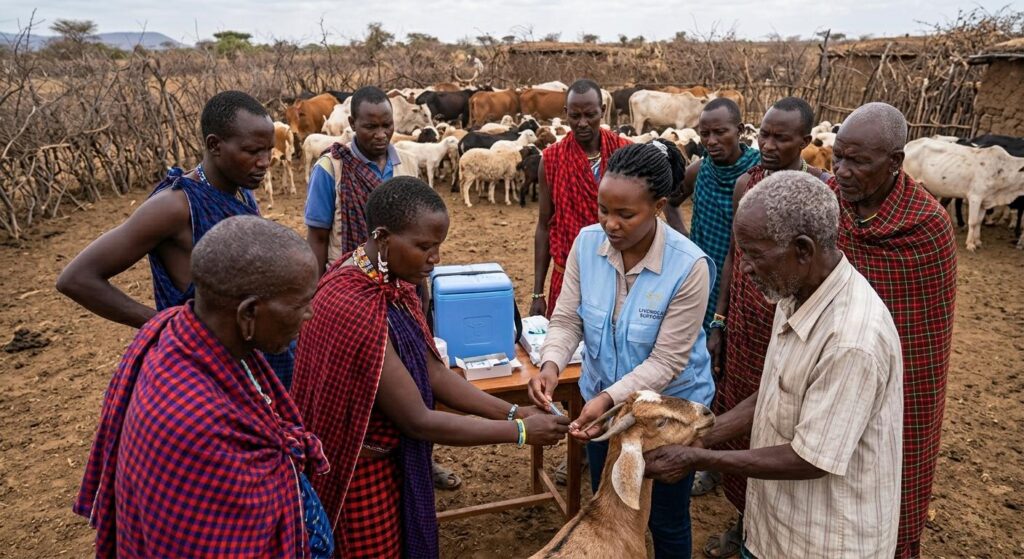
The initiative focuses on improving livestock health, husbandry practices, and sustainable rangeland management. Participants receive training on animal nutrition, breeding techniques, disease prevention, and basic veterinary first aid. These skills help reduce livestock mortality and improve herd productivity over time.
Community animal health workers are trained and equipped with basic veterinary kits to provide frontline animal healthcare services within their communities. This decentralized approach improves access to veterinary support, particularly in remote areas where services are limited. Early diagnosis and treatment of common livestock diseases significantly reduce economic losses for households.
The programme also supports the formation and strengthening of livestock marketing groups. These groups help pastoralists aggregate livestock, access better markets, and negotiate fair prices, improving income stability and reducing exploitation by middlemen.
In addition, the initiative promotes sustainable rangeland management practices to reduce overgrazing and environmental degradation. It also facilitates dialogue and cooperation between farming and pastoral communities to promote peaceful coexistence and reduce resource-based conflicts over land and water.
As a result, participating communities have experienced improved livestock health, increased income from livestock sales, and stronger resilience to climate and market shocks. The programme contributes to more stable livelihoods, reduced vulnerability, and strengthened community cohesion in pastoral areas.
Improved Agricultural Inputs and Crop Productivity Enhancement
The Improved Agricultural Inputs and Crop Productivity Enhancement programme aims to increase agricultural productivity and food security by ensuring timely access to quality seeds and essential farming inputs for vulnerable farming households. The initiative addresses one of the key barriers faced by smallholder farmers: limited access to improved agricultural resources and technical guidance.
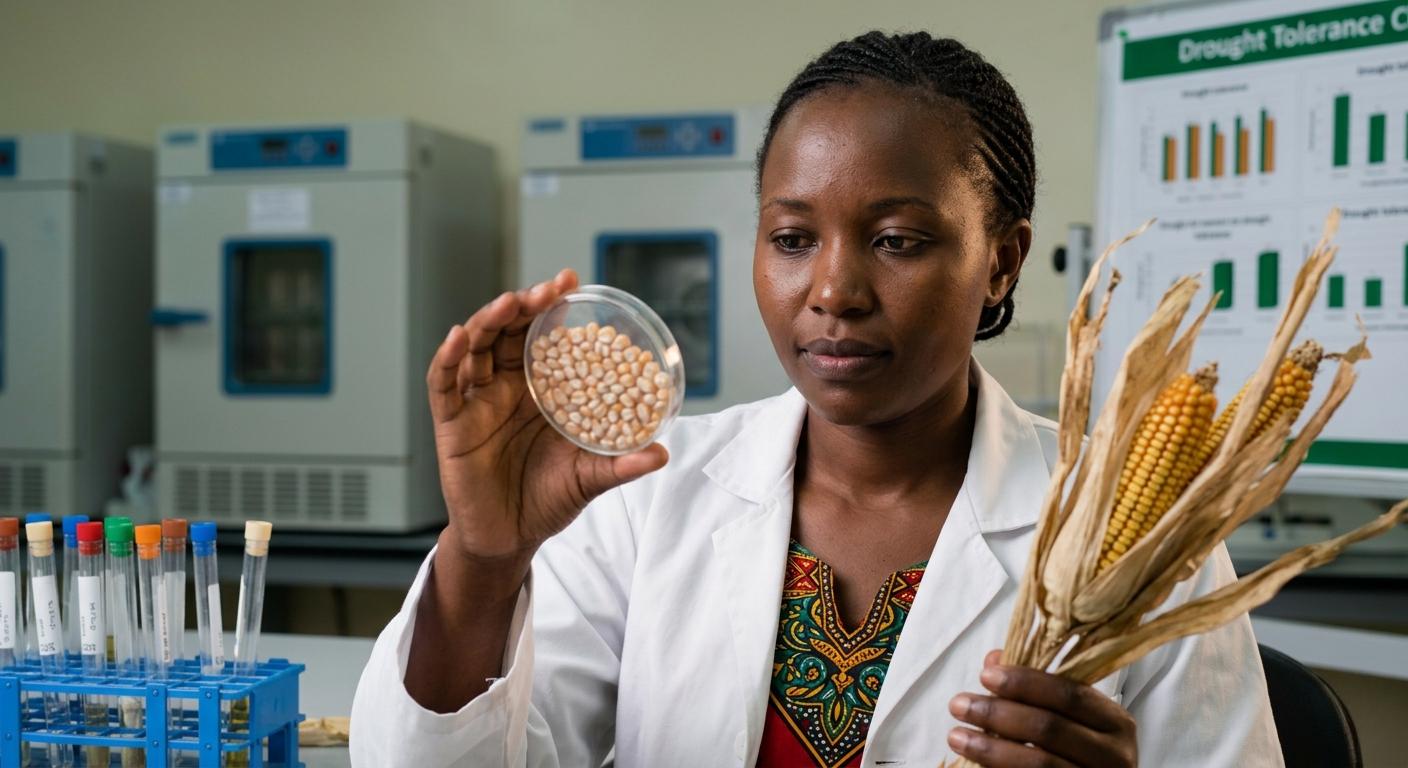
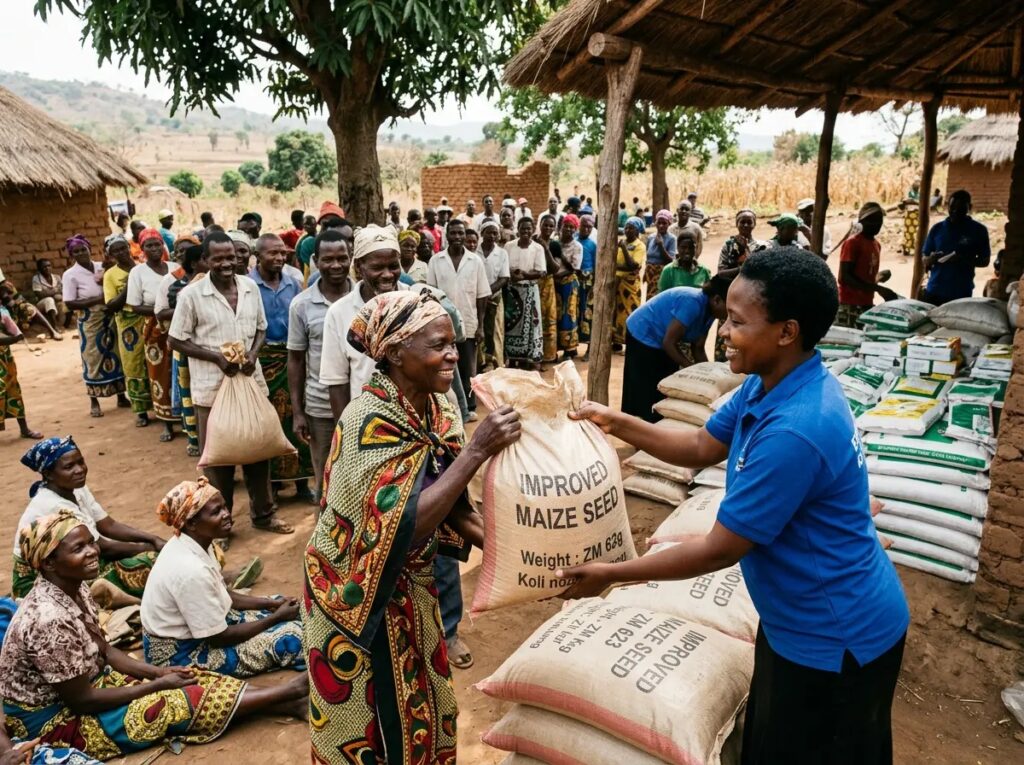
In partnership with agricultural research institutions, certified seed suppliers, and local extension networks, the programme distributes improved and climate-resilient seed varieties at the beginning of planting seasons. These seeds are selected based on their adaptability, yield potential, and resistance to pests and environmental stress. Alongside seeds, beneficiaries receive essential farming tools and organic soil enhancement inputs to support effective cultivation practices.
The programme is complemented by structured training sessions that focus on good agricultural practices. Farmers are guided on proper planting techniques, spacing, soil preparation, pest and disease management, and post-harvest handling. This ensures that improved inputs are used effectively and that crop losses are minimized across the production cycle.
Field demonstrations and follow-up visits by agricultural extension workers further strengthen farmer capacity and ensure correct application of techniques. Farmers are also encouraged to adopt improved storage practices to reduce post-harvest losses and maintain food quality.
As a result of these interventions, participating households have experienced significant improvements in crop yields and overall agricultural productivity. Increased production has contributed to improved household food availability, reduced reliance on food aid, and enhanced income opportunities through surplus sales in local markets.
The programme ultimately strengthens local food systems by improving productivity, enhancing resilience, and ensuring that smallholder farmers are better equipped to sustain their livelihoods in the face of environmental and economic challenges.