Education & Skills Development
Providing access to quality formal and non-formal education, vocational training, life skills development, and learning opportunities for marginalized groups.
Education & Skills Development
Digital Skills Development for Employment and Entrepreneurship
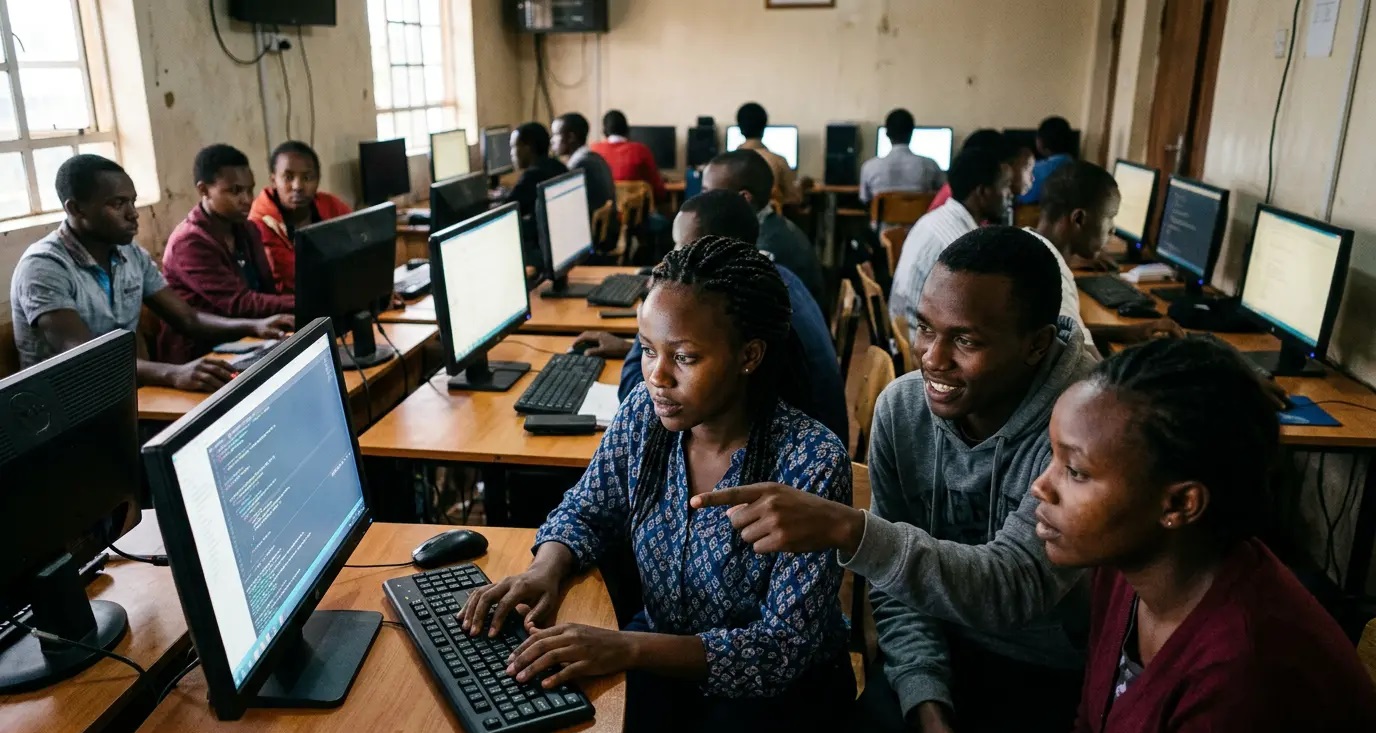
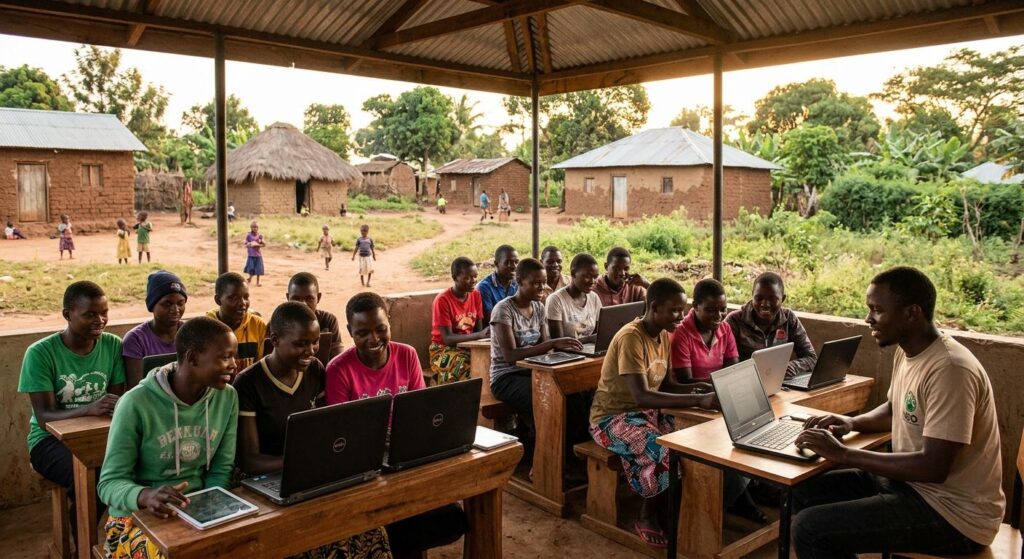
The Digital Literacy & ICT Training initiative, implemented by Bempower in partnership with technology providers, is designed to equip youth and adults with practical digital skills needed to participate effectively in today’s technology-driven economy. The programme is delivered through dedicated digital learning centers, offering a structured and hands-on learning environment, with a strong focus on reaching underserved and marginalized communities.
The training follows a progressive curriculum. At the foundational level, participants learn basic computer operations, typing, file management, internet browsing, and online safety. As they advance, they are introduced to productivity tools such as word processing, spreadsheets, and presentations, along with digital communication through email and online platforms. The programme also emphasizes the use of social media and digital tools for business promotion, customer engagement, and personal branding.
At intermediate and advanced levels, participants gain specialized skills in graphic design, web development, digital marketing, and e-commerce. These components provide practical exposure to online marketplaces, content creation, and freelancing platforms, enabling learners to apply their knowledge in real-world contexts.
In addition, the initiative integrates soft skills development, mentorship, and career guidance to enhance job readiness. Participants are supported in building digital portfolios and accessing employment, freelance, or entrepreneurial opportunities.

Market-Driven Technical Skills Development for Youth
The Vocational Skills for Youth programme is designed to equip young people with practical, market-relevant skills that enhance their employability and support pathways to sustainable livelihoods. Targeting out-of-school youth and those affected by displacement, the initiative focuses on building resilience and economic independence through hands-on technical training.
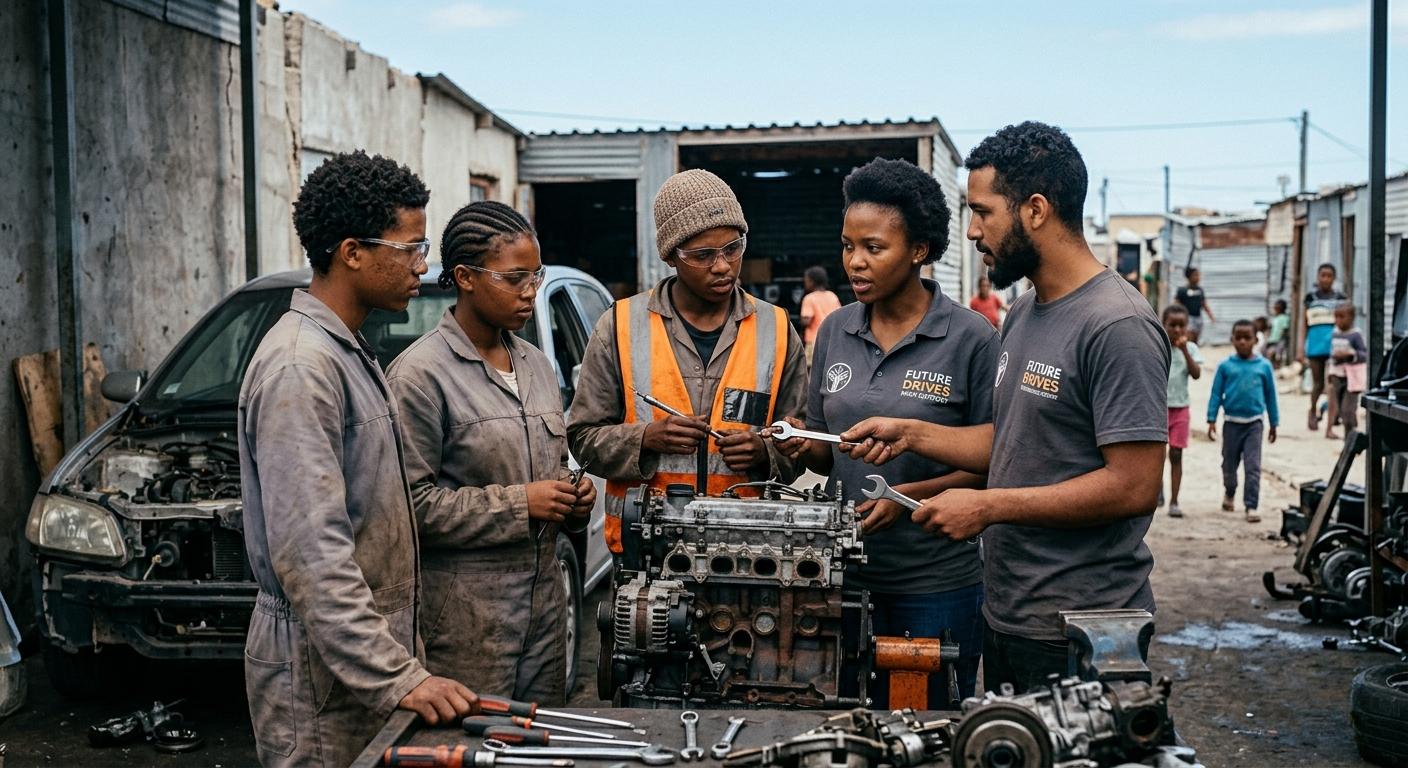
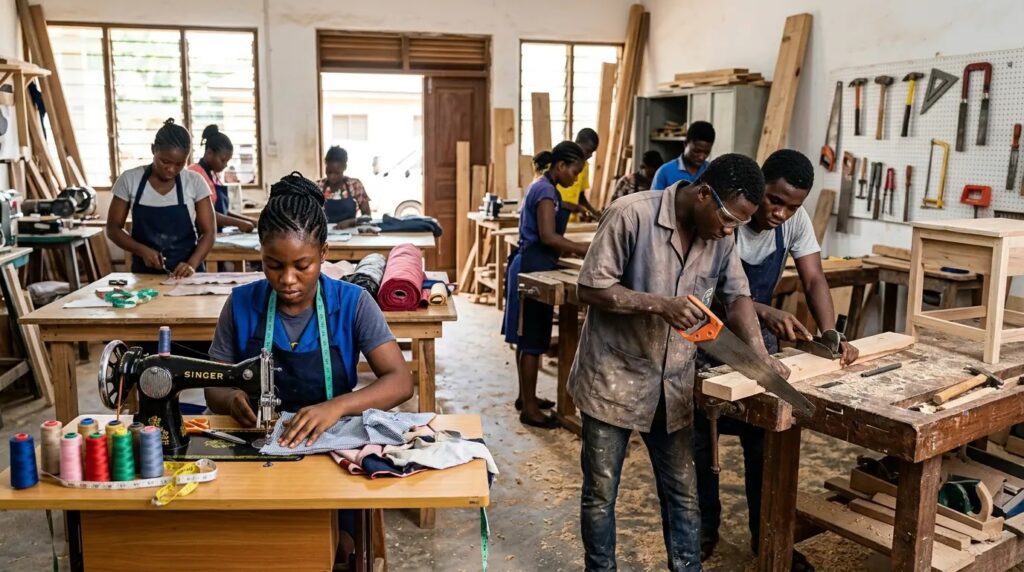
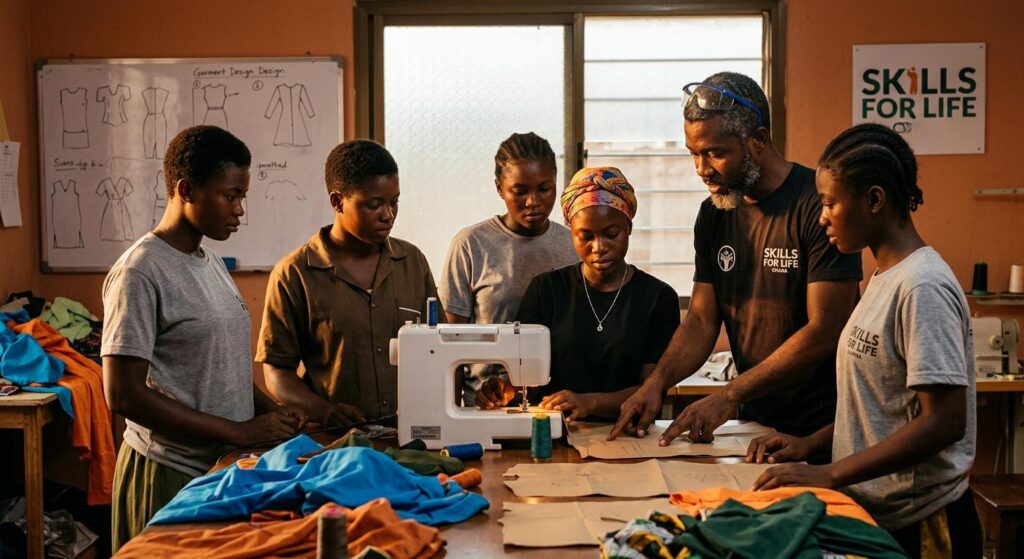
The programme offers training in high-demand trades such as tailoring, carpentry, welding, motor mechanics, and solar installation. Delivered over a period of three to six months, the training combines classroom-based instruction with practical, on-the-job learning through supervised apprenticeships in local workshops and training centers. This approach ensures that participants gain both theoretical knowledge and real-world experience aligned with market needs.
In addition to technical skills, the programme integrates basic business and financial literacy training, enabling participants to understand costing, pricing, and small enterprise management. Graduates are supported with starter toolkits to facilitate immediate application of their skills and are linked with local business networks, employers, and microfinance institutions to explore employment or self-employment opportunities.
Through this comprehensive approach, the programme empowers youth to transition into productive economic activities, whether by securing jobs in existing enterprises or establishing their own small businesses. It contributes to reducing youth unemployment, promoting social inclusion, and strengthening local economies by developing a skilled and capable workforce.
Accelerated Learning and Education Reintegration Support
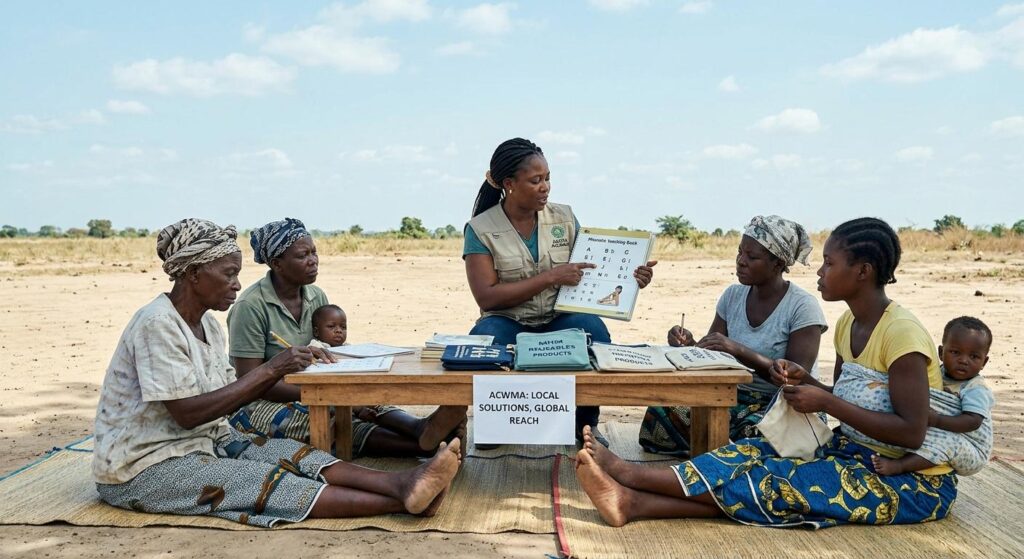
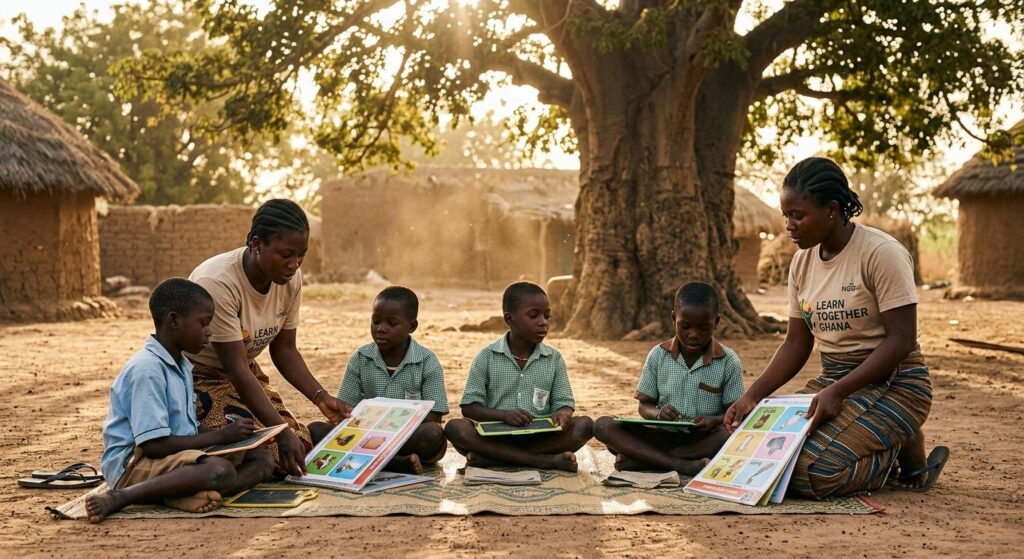
The Foundational Learning Support programme is designed to address education gaps among children and adults who have missed out on formal schooling due to conflict, poverty, or displacement. Implemented through community-based learning centers, the initiative provides inclusive and accessible education opportunities, with a focus on helping learners regain confidence and re-engage with structured learning pathways.
The programme offers accelerated education, basic literacy and numeracy classes, and catch-up courses tailored to different age groups and learning levels. Using interactive, learner-centered approaches, trained facilitators deliver lessons that are practical, engaging, and adapted to local contexts. The curriculum is designed to build essential reading, writing, and numeracy skills while also fostering critical thinking and problem-solving abilities.
In addition to academic support, the programme promotes a supportive learning environment that encourages regular attendance and active participation. Where possible, learners are guided on pathways to transition back into formal education systems or to access vocational and skills-based training opportunities.
To date, the initiative has supported learners in strengthening their foundational skills, enabling them to pursue further education, improve their employment prospects, and participate more effectively in their communities. By addressing learning gaps and promoting inclusive education, the programme contributes to long-term social and economic development.
Functional Literacy and Numeracy for Adult Empowerment
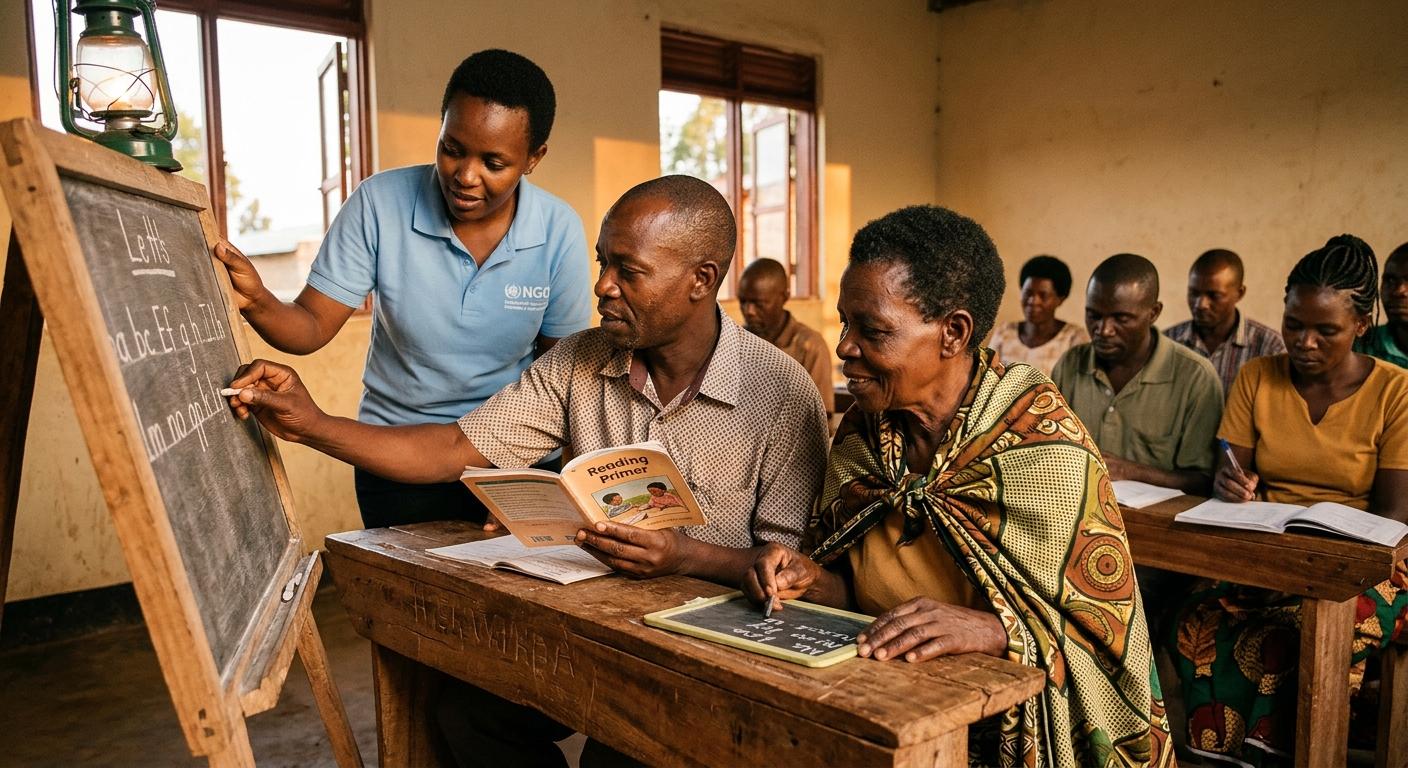
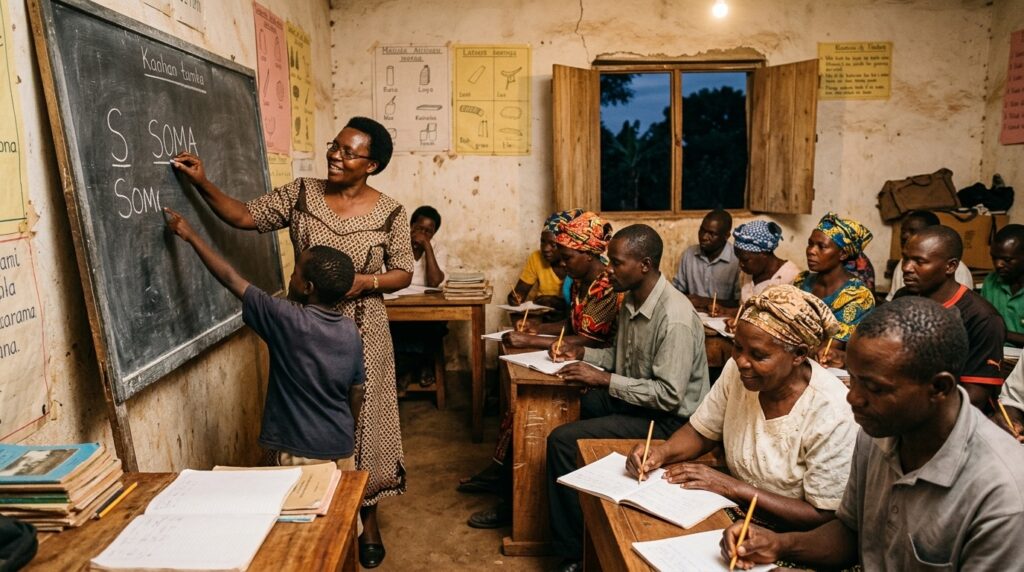
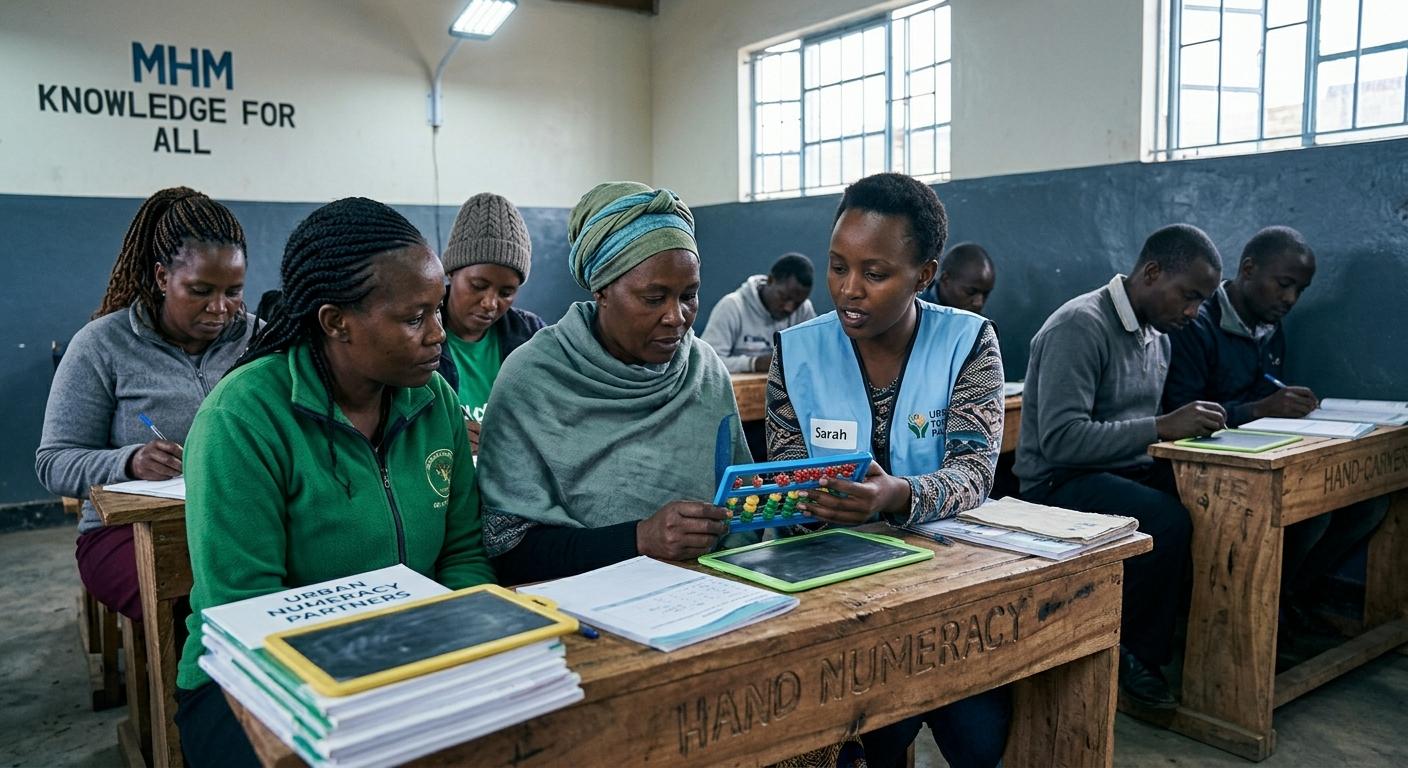
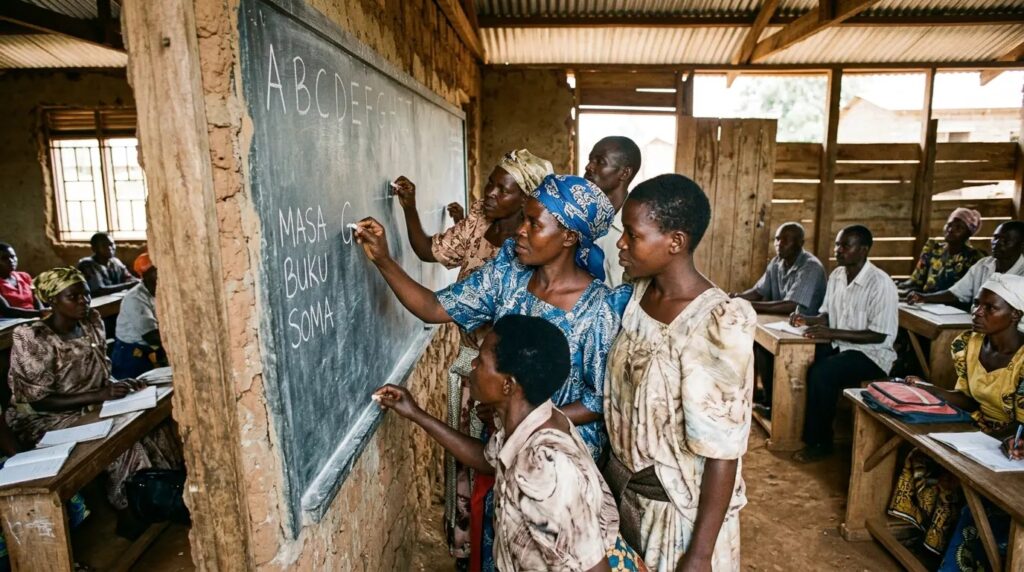
The Adult Literacy & Numeracy Program is designed to support adults who have had limited or no access to formal education, with a particular focus on women in underserved communities. The initiative aims to build essential reading, writing, and numeracy skills that enable participants to manage daily tasks more effectively and improve their socio-economic well-being.
The programme delivers functional literacy and numeracy training tailored to adult learners, using practical, real-life scenarios. Lessons include reading market prices, writing simple records and receipts, basic calculations for savings and expenses, and understanding essential information related to health and services. This applied approach ensures that learning is relevant, immediately useful, and easy to integrate into everyday life.
Classes are conducted in community-based settings at flexible times, including evenings, to accommodate participants’ work and family responsibilities. Trained facilitators use participatory and learner-friendly methods to create an inclusive and supportive learning environment that encourages confidence and active engagement.
Beyond basic skills development, the programme contributes to broader empowerment outcomes. Participants often gain the confidence to engage in income-generating activities, start small businesses, join savings groups, and take on leadership roles within their communities.
By strengthening functional literacy and numeracy, the initiative promotes independence, social inclusion, and economic participation, enabling adults to make informed decisions and improve their quality of life