Health & Nutrition
Improving community health through awareness campaigns, preventive care, maternal and child nutrition programs, and promotion of healthy lifestyles.
Health & Nutrition Projects
Maternal and Child Nutrition Improvement and First 1,000 Days Support
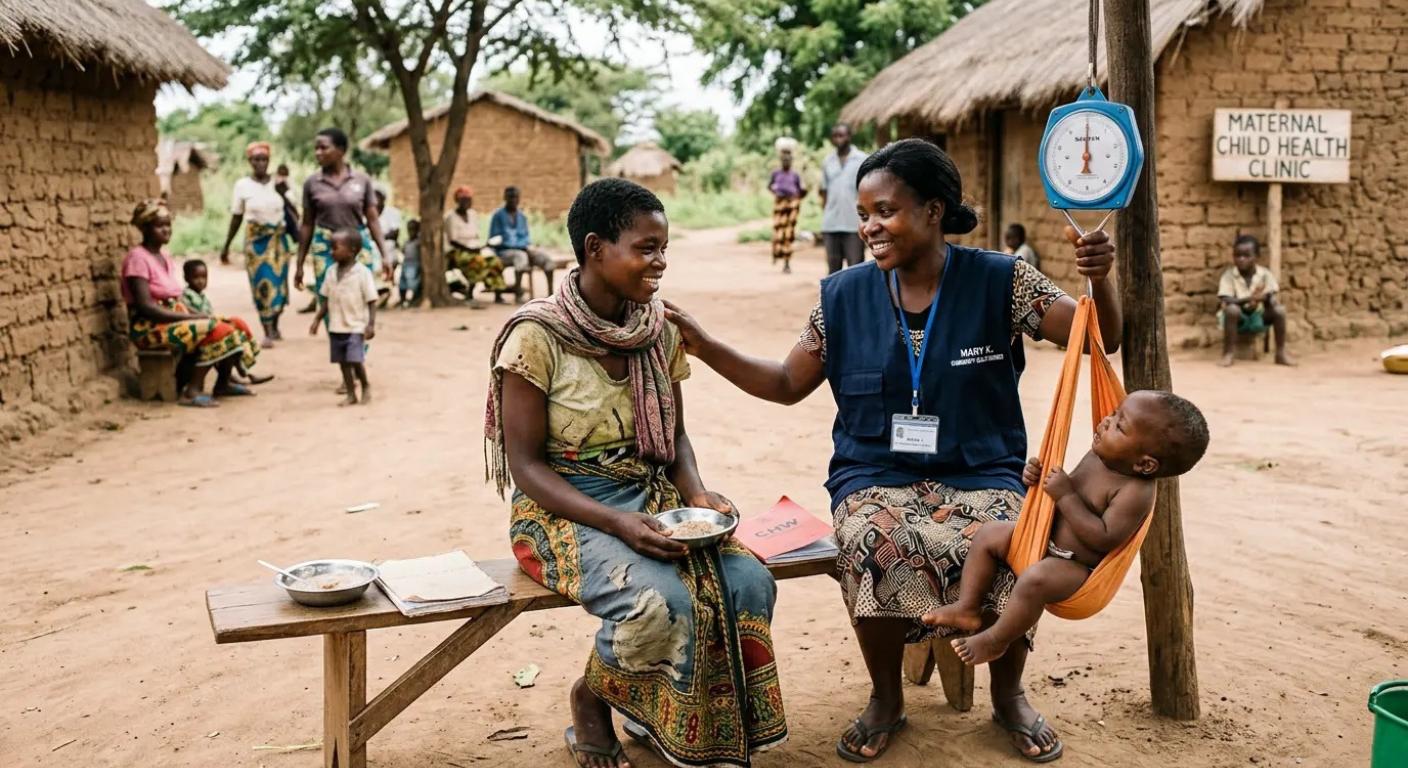
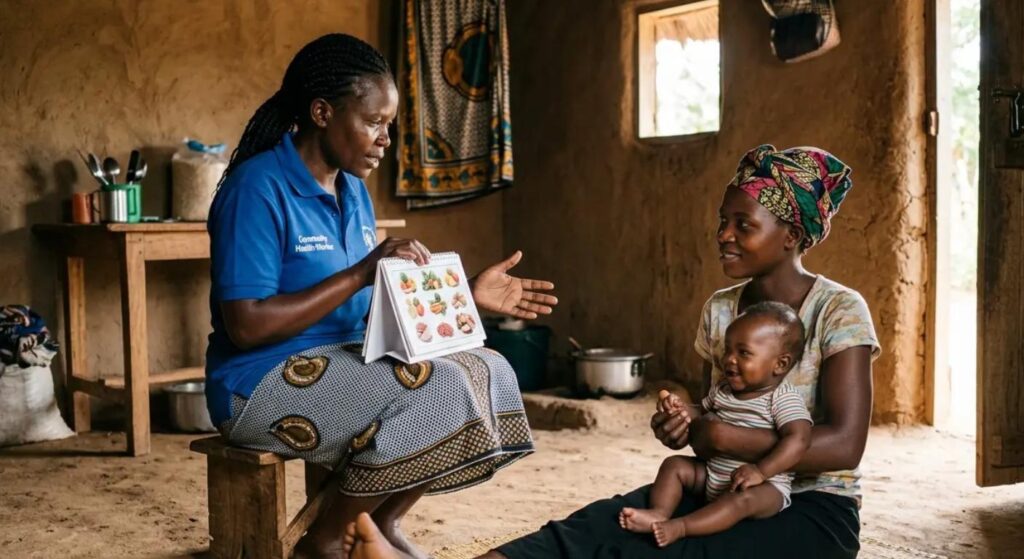
This intervention focuses on improving the nutritional status of pregnant women, lactating mothers, and children under five during the critical first 1,000 days of life, a period that is essential for physical growth, brain development, and long-term wellbeing. It is implemented through a community-based approach where trained community health workers conduct regular home visits to provide tailored nutrition counseling, growth monitoring, and early identification of malnutrition. Children showing signs of undernutrition are referred to appropriate health services for further care and follow-up support.
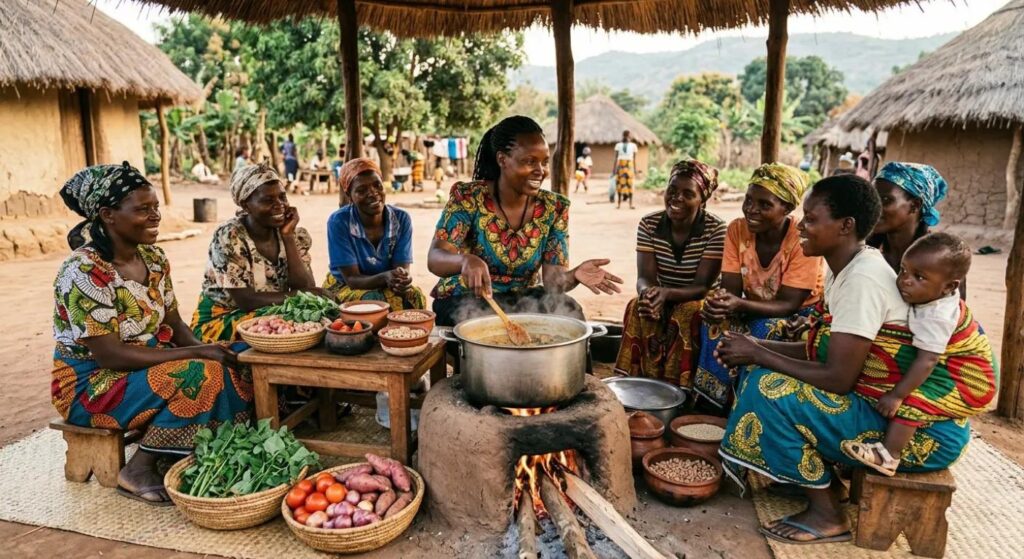
A strong emphasis is placed on practical learning. Cooking demonstrations are organized to help mothers and caregivers prepare balanced meals using locally available and affordable ingredients. These sessions focus on improving dietary diversity and ensuring that households can apply nutrition knowledge in their daily lives. In addition, caregivers are guided on appropriate infant and young child feeding practices, including breastfeeding and complementary feeding.
Micronutrient supplementation is also integrated to address common deficiencies and support healthy development. Households are encouraged to establish kitchen gardens, enabling continuous access to fresh vegetables and contributing to improved dietary intake.
Through regular engagement and behavior change support, the intervention strengthens caregivers’ knowledge and confidence in making nutrition-related decisions. It contributes to improved child growth, better maternal health, and more resilient household nutrition systems, while promoting long-term positive practices within communities.
Integrated Community Health Awareness and Behavior Change Campaign
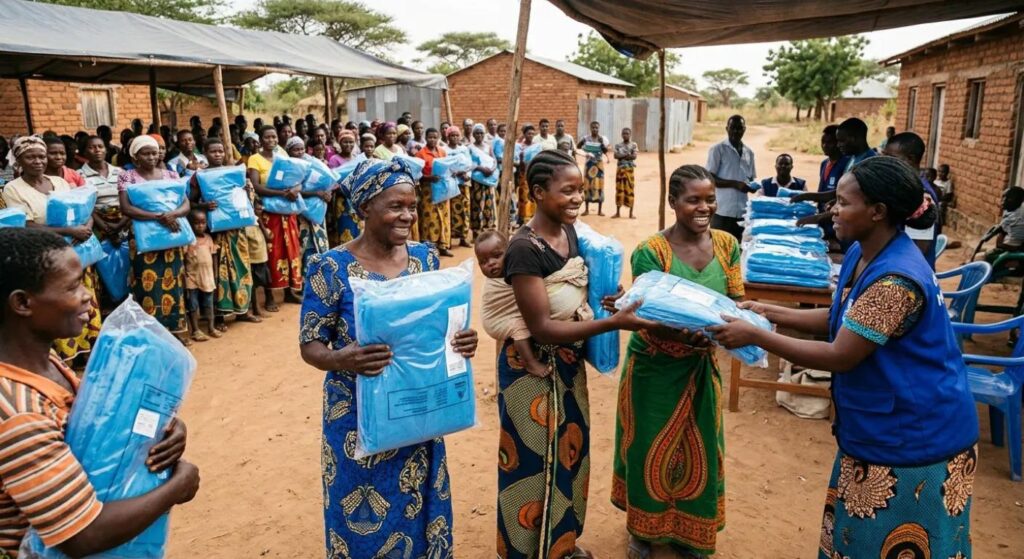
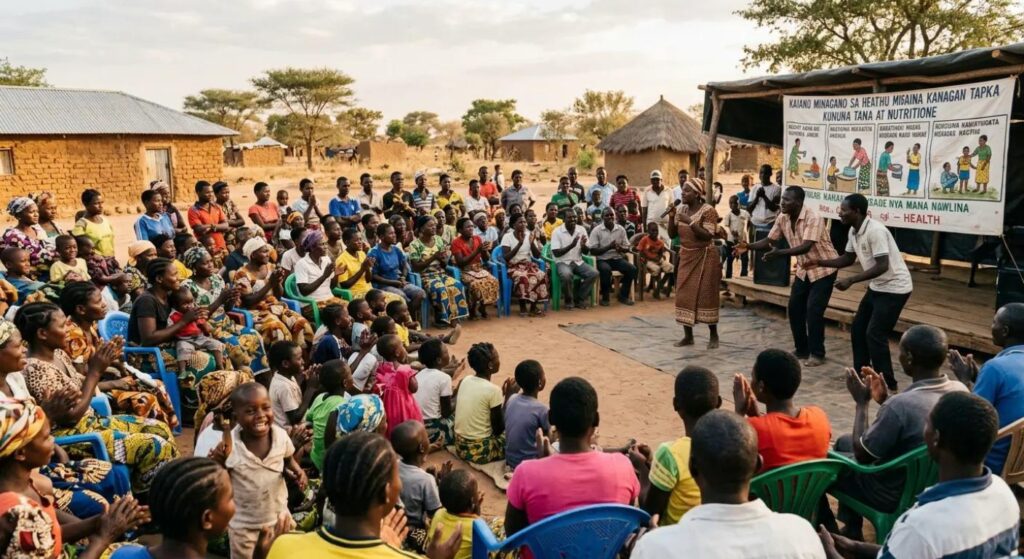
This intervention aims to improve community health outcomes by promoting awareness and encouraging positive health behaviors through inclusive and participatory approaches. It addresses priority health issues such as malaria prevention, HIV/AIDS awareness, family planning, and hygiene-related diseases, ensuring that communities have access to accurate and relevant information.
A multi-channel communication strategy is used to reach diverse population groups. Activities include community meetings, radio discussions, interactive drama performances, and door-to-door visits, all designed to deliver health messages in engaging and culturally appropriate ways. These approaches help ensure that even hard-to-reach populations can access and understand key health information.
Community health volunteers play a central role as trusted facilitators who reinforce messages, answer questions, and guide individuals to access nearby health services. Their ongoing presence ensures continuity of information and strengthens trust between communities and service providers.
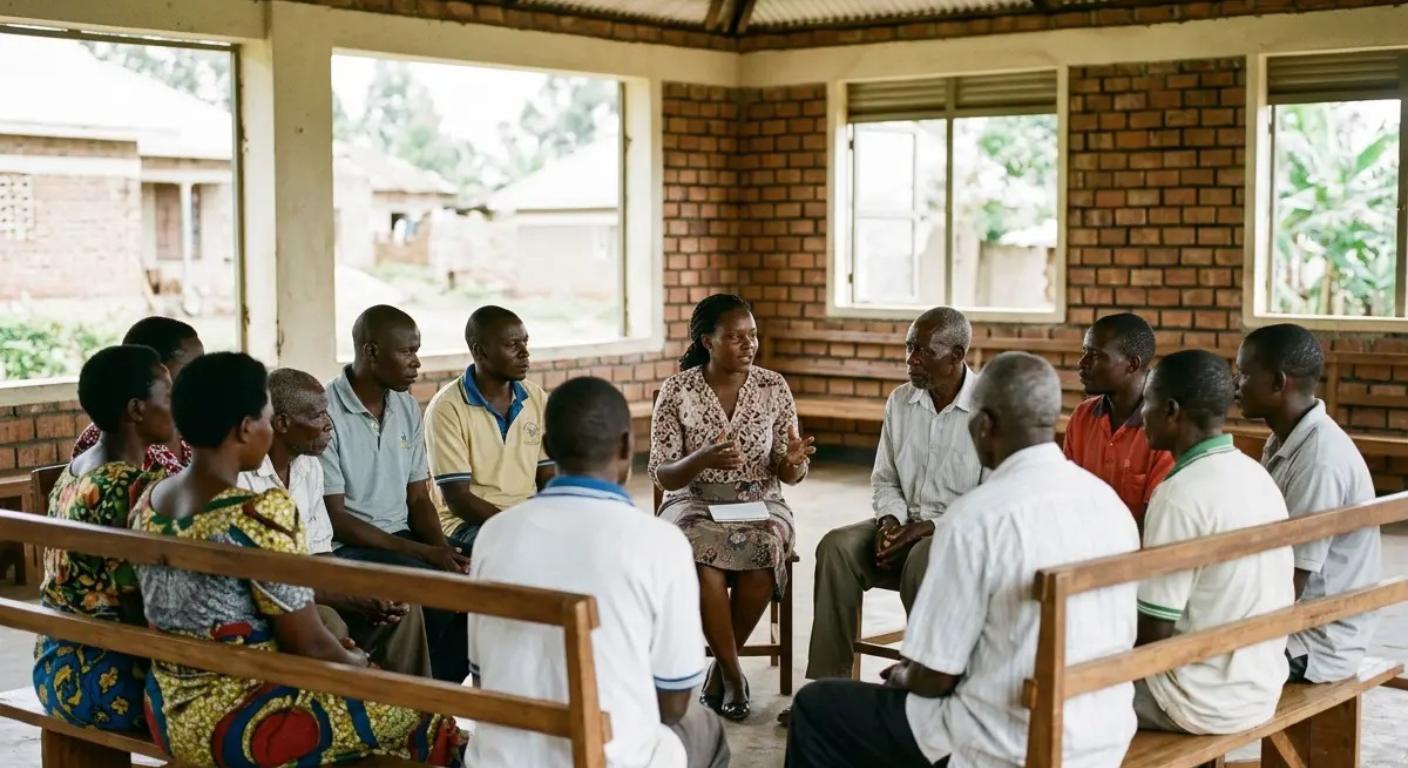
The intervention also promotes community participation by encouraging dialogue and collective action to address local health challenges. This helps build ownership and ensures that behavior change is sustained beyond awareness sessions.
By improving knowledge and addressing misconceptions, the intervention supports healthier practices at household and community levels. It contributes to better health-seeking behavior, increased use of preventive services, and stronger awareness of hygiene and disease prevention, ultimately fostering healthier and more informed communities.
Preventive Care Outreach
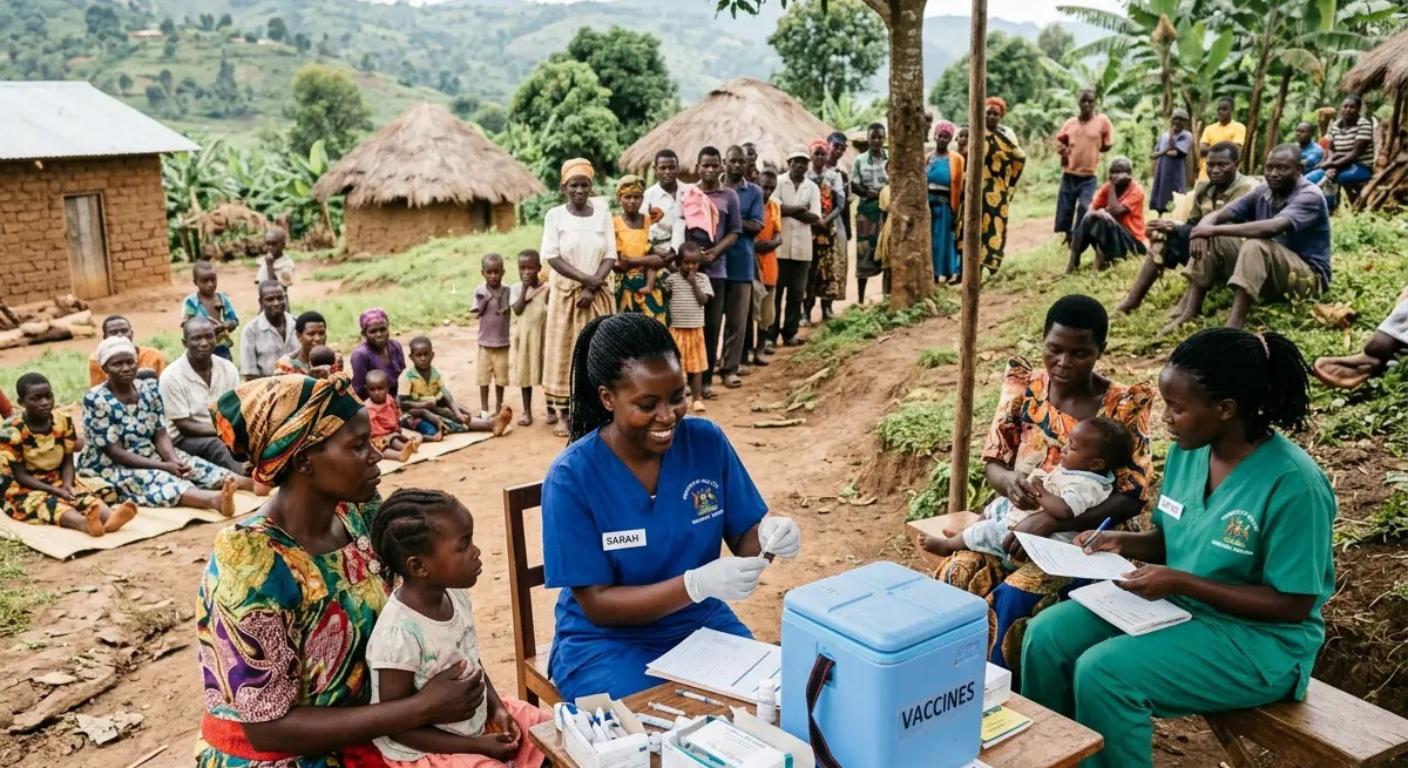
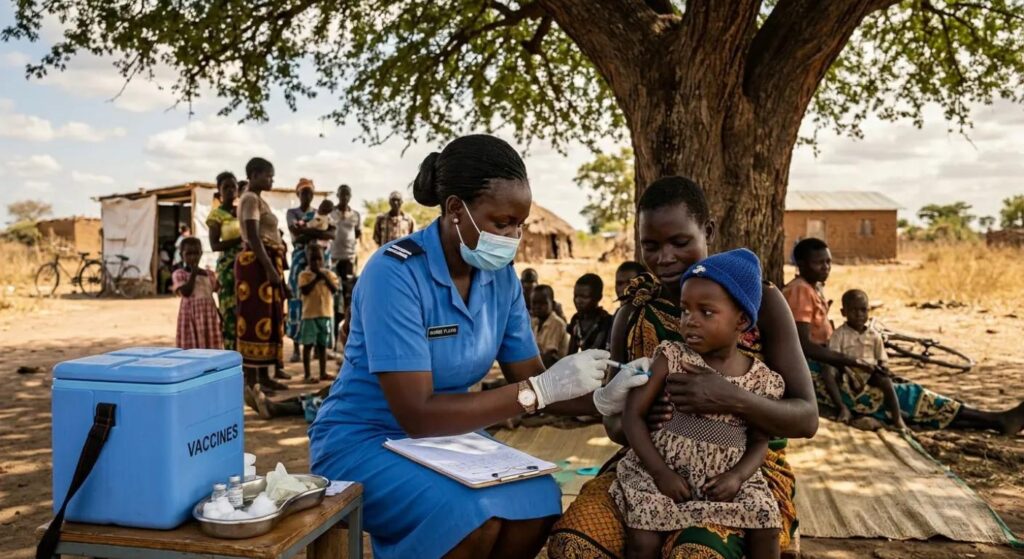
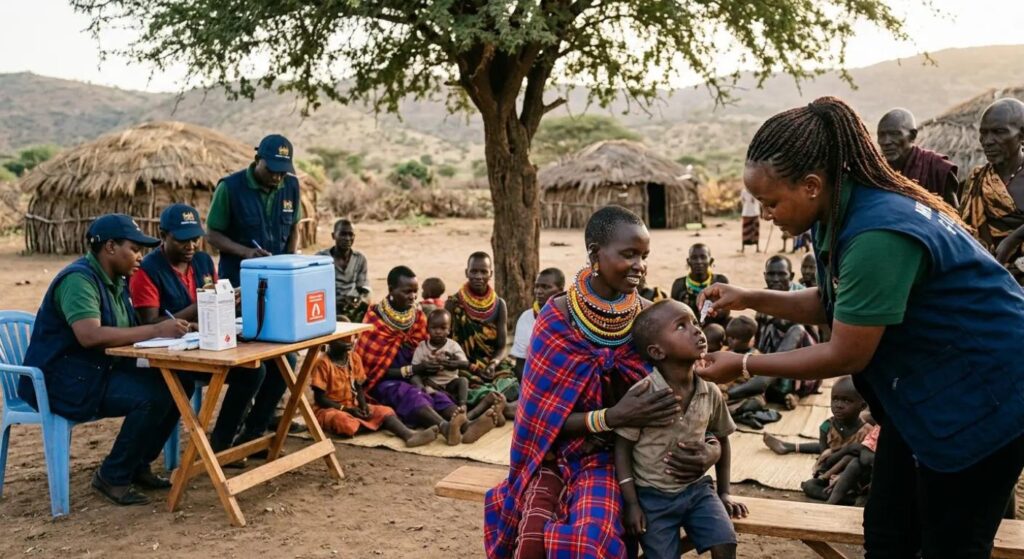
This intervention expands access to essential preventive healthcare services for populations living in remote and underserved areas where health facilities are limited or difficult to reach. Mobile outreach teams bring basic healthcare services directly to communities, reducing barriers such as distance, cost, and lack of information.
Services provided include childhood immunization, deworming, basic health screening, and health education sessions. These activities support early detection and prevention of common health conditions, particularly among children and pregnant women. Community members are also informed about available services and encouraged to seek timely care when needed.
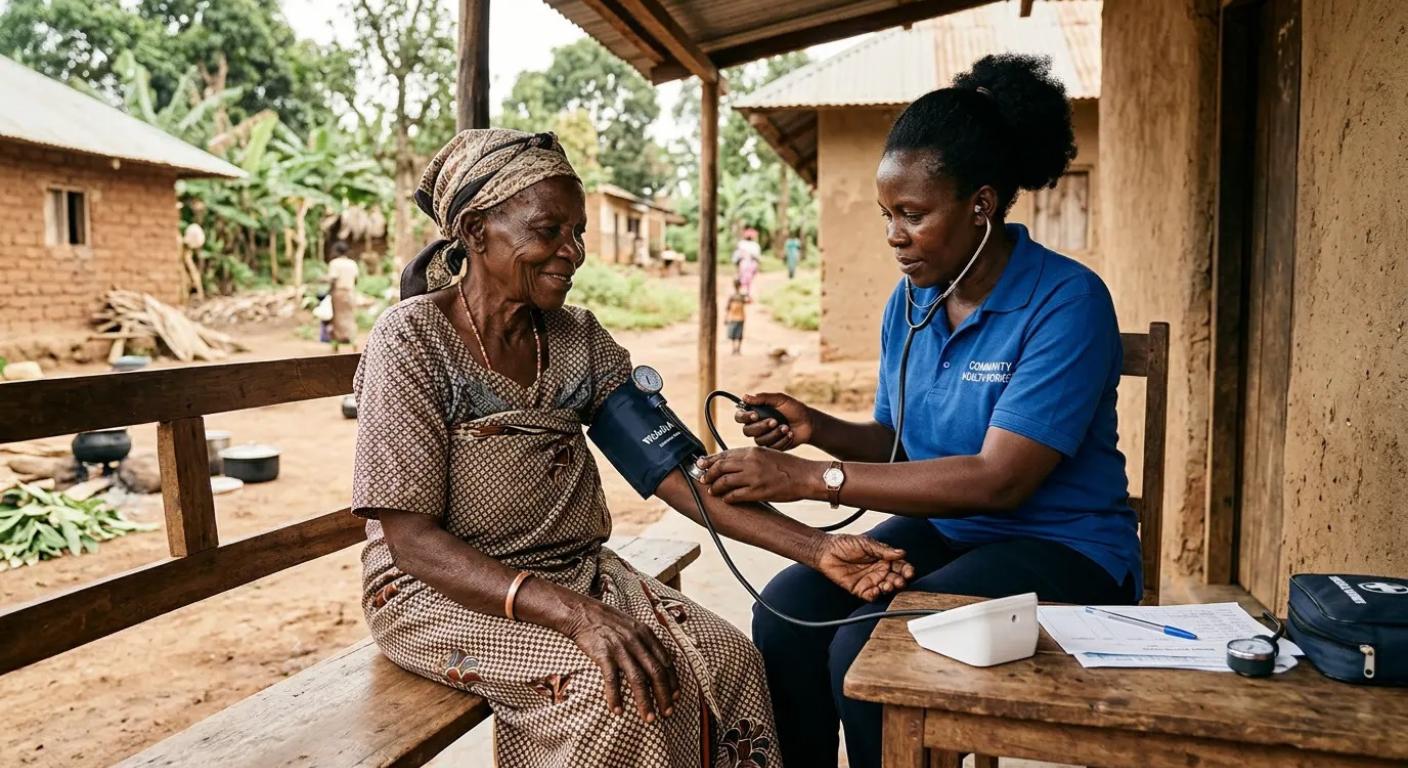
In parallel, community health workers are trained to identify danger signs in children and pregnant women, enabling early referral to health facilities. This strengthens the link between communities and the formal health system and ensures continuity of care.
Health education sessions focus on key topics such as hygiene, nutrition, and disease prevention, helping communities adopt healthier practices and reduce the risk of illness. The intervention also promotes awareness on the importance of routine healthcare and preventive measures.
By bringing services closer to people, this approach improves access to care, strengthens preventive health practices, and supports early treatment. It contributes to healthier communities by reducing avoidable health risks and improving overall health awareness and responsiveness at the local level.
Mental Health and Psychosocial Support for Community Resilience
This intervention addresses the psychological and emotional challenges faced by individuals affected by conflict, displacement, and poverty. It recognizes that mental health is a critical component of overall wellbeing and plays a key role in recovery, resilience, and social cohesion.
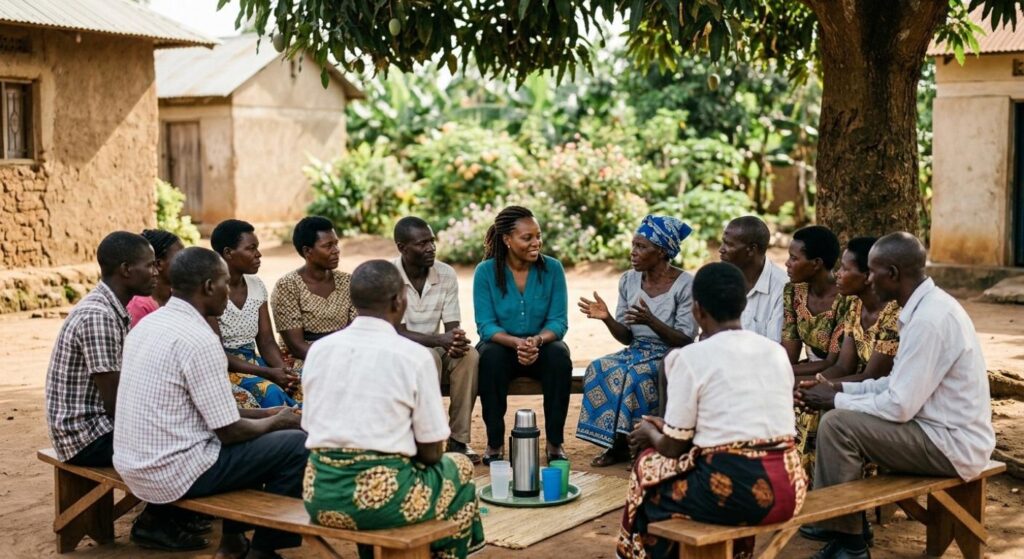
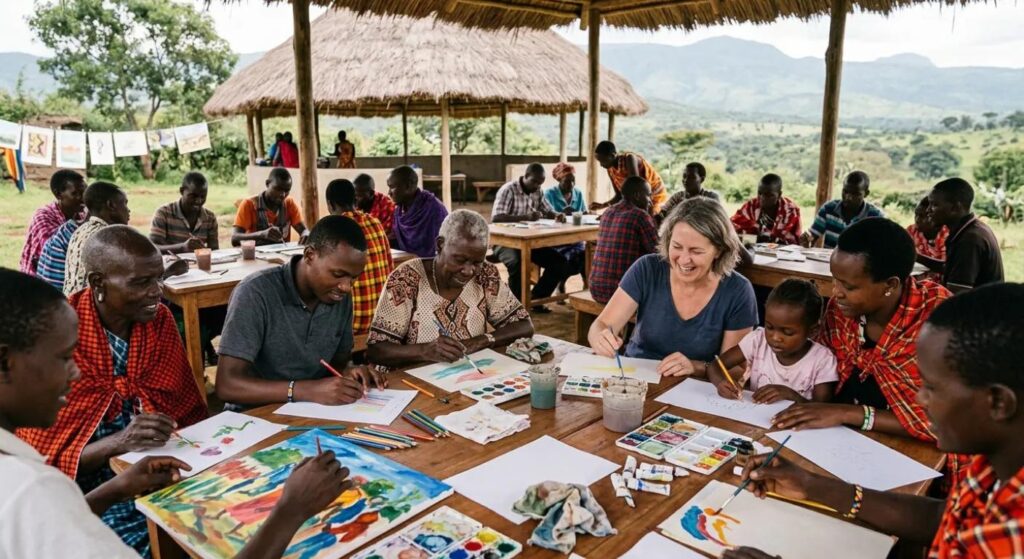
Support is provided through a combination of individual counseling, group therapy sessions, and community-based healing activities. Trained counselors and peer support workers help individuals process trauma, manage stress, and rebuild confidence and a sense of purpose. These services are delivered in a safe and supportive environment that respects cultural norms and individual experiences.
Group sessions provide opportunities for shared learning and peer support, helping individuals feel less isolated and more connected to their communities. Community-based activities further promote collective healing and strengthen relationships among community members.
The intervention also focuses on raising awareness and reducing stigma around mental health. Community leaders, families, and local stakeholders are engaged to promote understanding and acceptance of psychological wellbeing as an important aspect of overall health.
By improving emotional wellbeing and coping mechanisms, the intervention enables individuals to participate more actively in daily life, including family, social, and economic activities. It contributes to stronger, more resilient communities by addressing both individual needs and broader social dynamics.
Community Health Worker Training
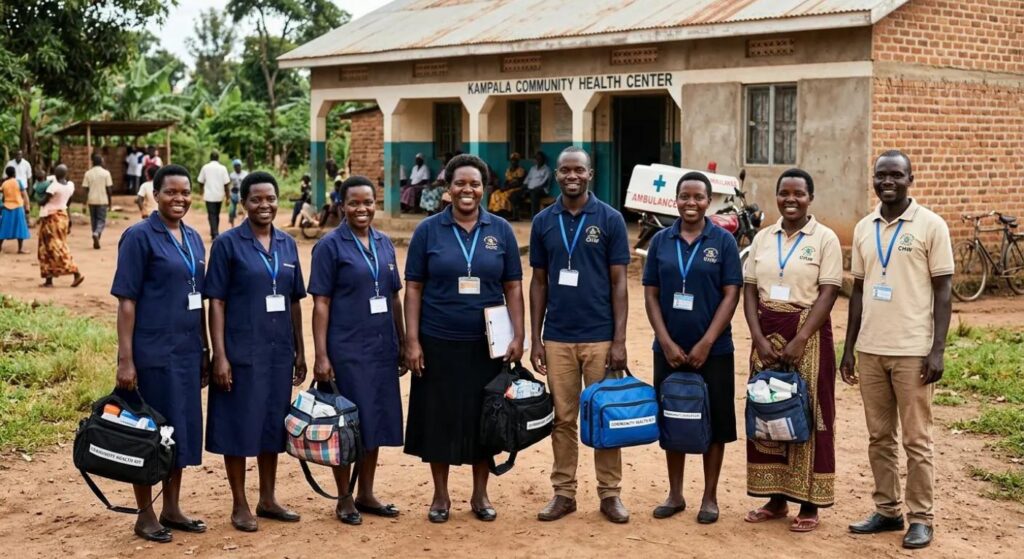
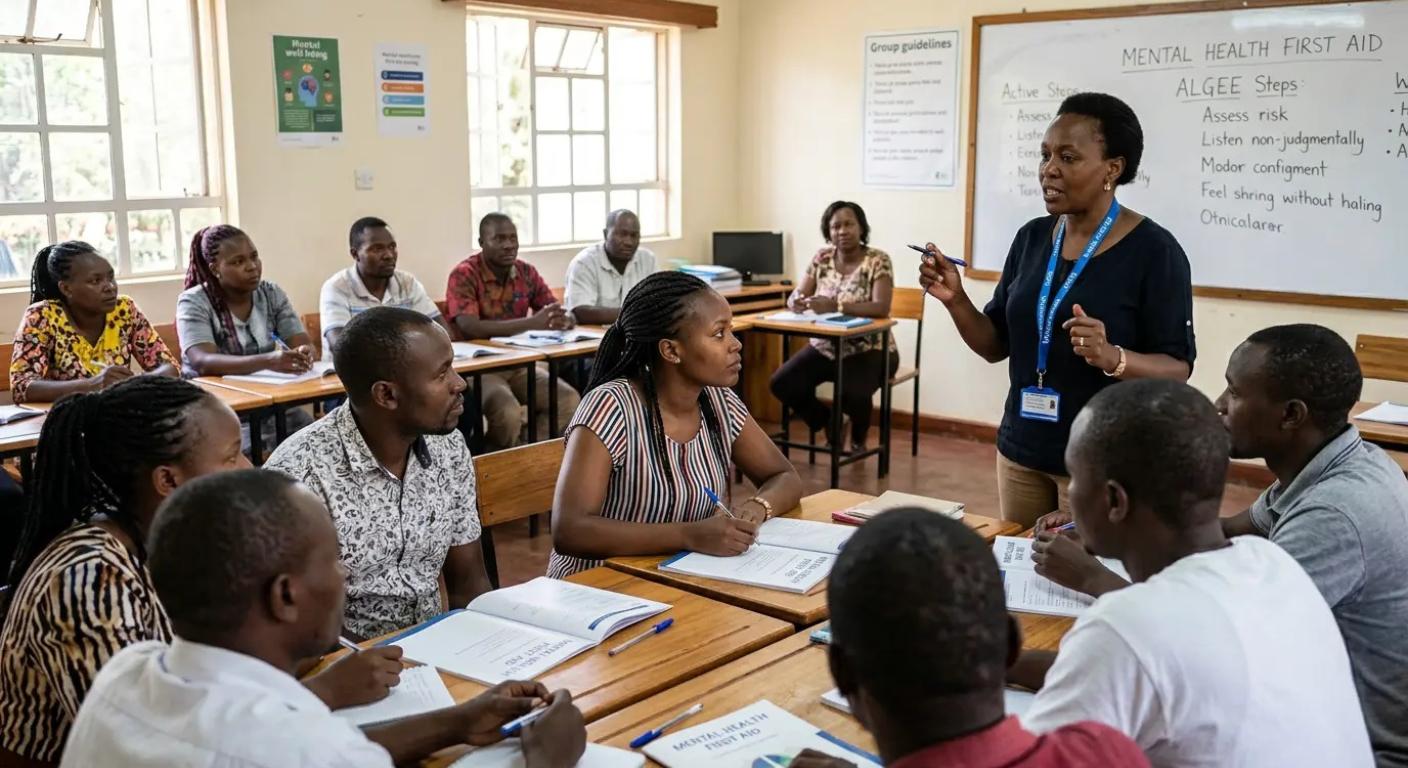
This intervention focuses on strengthening community-level healthcare by building the capacity of local health workers to deliver essential services. Community members are trained to act as frontline health providers, offering basic health education, monitoring, and support within their own communities.
Health workers conduct regular household visits, providing guidance on hygiene, nutrition, disease prevention, and basic first aid. They also monitor child growth, identify early signs of illness, and refer serious cases to nearby health facilities. This close and continuous engagement allows for timely support and improves overall health awareness at household level.
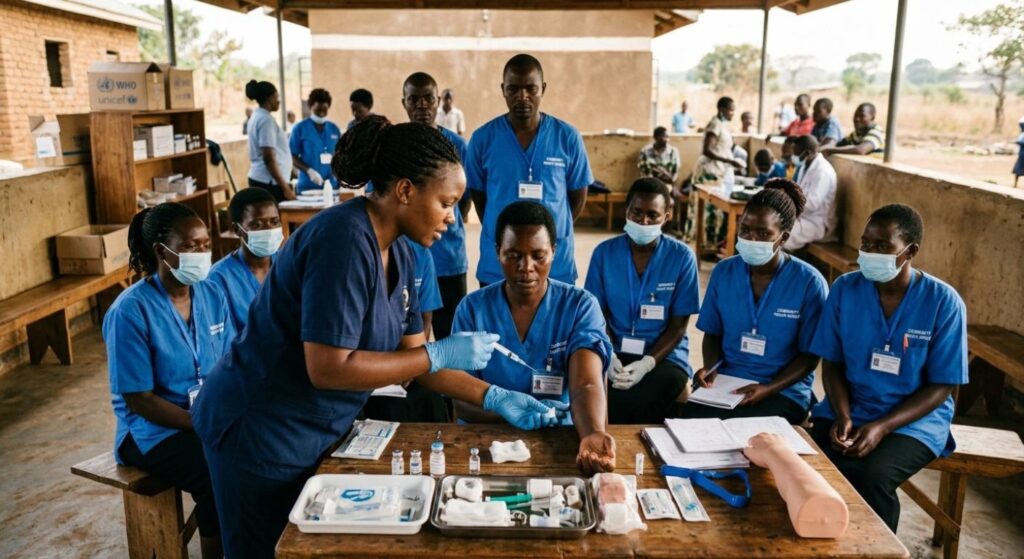
Training is designed to be practical and context-specific, ensuring that health workers can effectively respond to local needs. Ongoing supervision and refresher sessions help maintain service quality and build confidence among health workers. They are also equipped with basic tools to support their work and ensure consistent service delivery.
The intervention strengthens the connection between communities and formal health systems, improving access to information and services. It also encourages community ownership and participation in health-related activities.
By enhancing local capacity and bringing services closer to households, the intervention improves access to primary healthcare, promotes preventive practices, and contributes to healthier and more resilient communities.