
Organizational Capacity Development
Strengthening local institutions and community organizations through training, systems development, leadership capacity building, and operational efficiency improvements.
Organizational Capacity Development Projects
Community-Based Organization Capacity Strengthening and Institutional Development
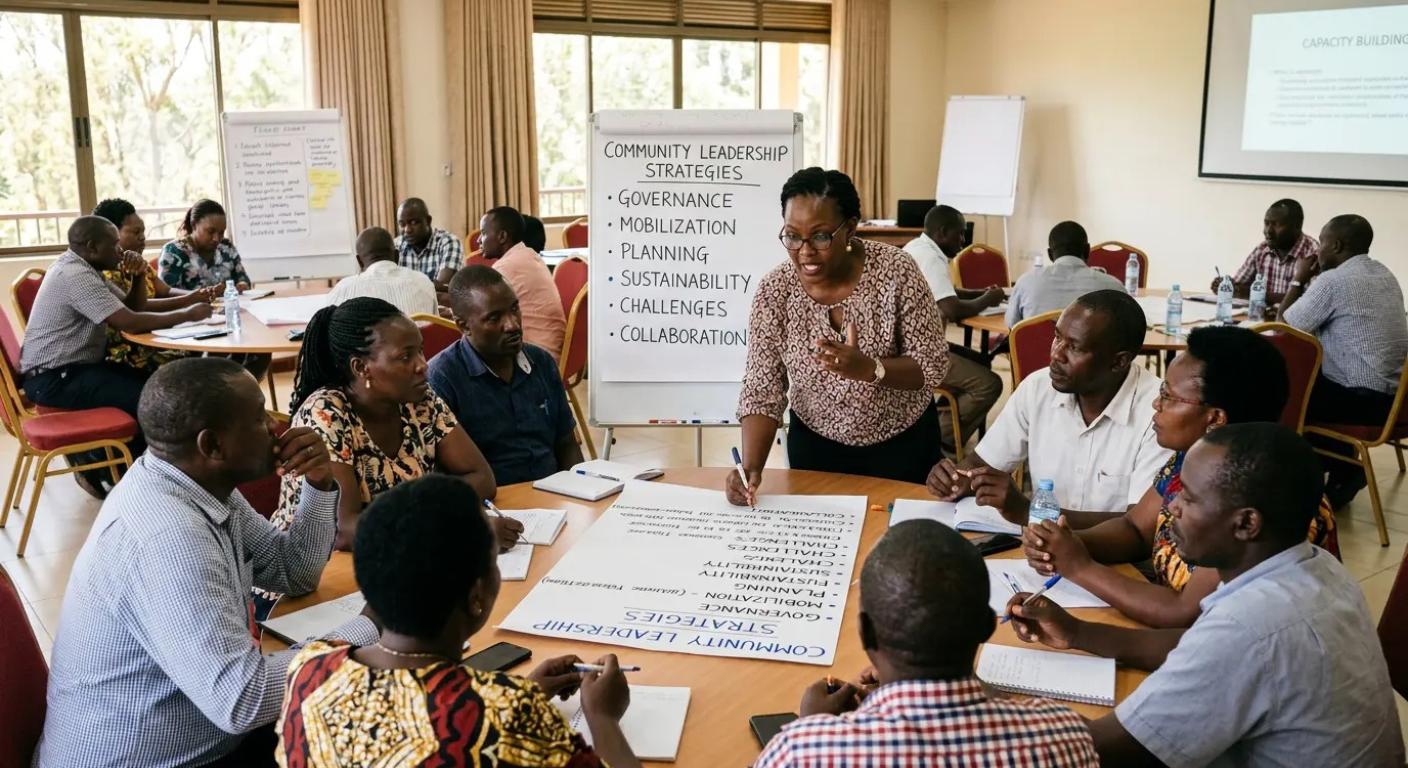
This intervention focuses on strengthening the institutional capacity of community-based organizations (CBOs) to enable them to operate effectively, sustainably, and independently within their communities. Many local organizations play a vital role in delivering services but face limitations in governance, planning, and resource management. This initiative supports them in building strong foundations for long-term impact.
The approach begins with an organizational assessment to identify strengths, gaps, and priority areas for improvement. Based on these findings, tailored capacity-building support is provided, covering key areas such as governance structures, strategic planning, proposal development, financial management, and donor compliance. This ensures that support is relevant and aligned with each organization’s context and needs.
In addition to formal training, organizations receive hands-on coaching as they apply new systems and practices. This practical support helps translate knowledge into action, improving internal processes and overall performance. Emphasis is placed on accountability, transparency, and effective resource utilization.
The intervention also promotes peer learning and collaboration among organizations, creating opportunities to share experiences and strengthen networks. This contributes to a more connected and capable local development ecosystem.
By building organizational capacity, the initiative enables CBOs to design, manage, and implement development activities more effectively. It enhances their credibility with donors and stakeholders while promoting sustainability and local ownership. Ultimately, it contributes to stronger community institutions that can lead and sustain development efforts over time.
Community Leadership and Inclusive Governance Development
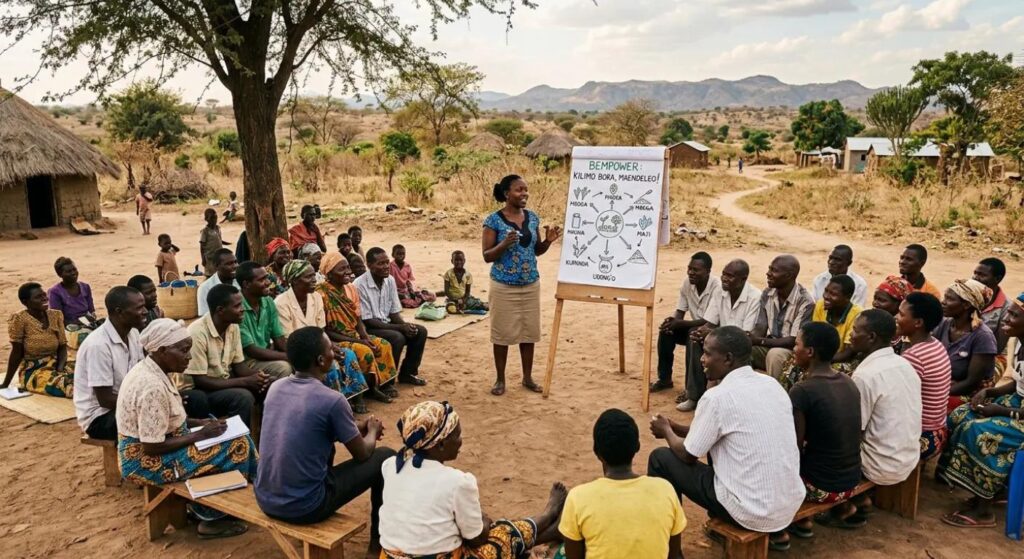
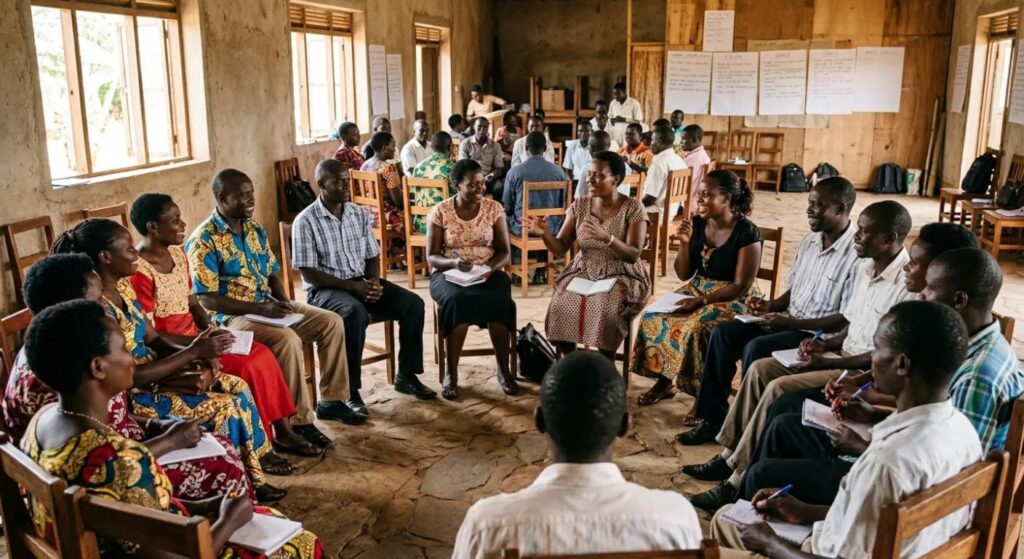
This intervention focuses on developing capable, ethical, and inclusive leaders at community level. Strong leadership and effective governance are essential for sustainable development, yet many local leaders have limited access to structured training and practical guidance. This initiative equips them with the knowledge and skills needed to lead with accountability and integrity.
Participants include board members of community-based organizations, local council representatives, women’s group leaders, and youth representatives. The training covers key topics such as leadership principles, transparent decision-making, conflict resolution, and inclusive governance practices. These areas are critical for fostering trust and ensuring fair representation within communities.
The learning approach combines classroom-based sessions with practical exercises, case studies, and peer exchange visits. This allows participants to apply concepts in real-life situations and learn from each other’s experiences. Emphasis is placed on participatory leadership and the importance of engaging diverse community voices in decision-making processes.
The intervention also addresses ethical leadership, encouraging participants to uphold values such as accountability, fairness, and respect. This helps strengthen institutional culture and community trust.
As a result, participants are better prepared to manage organizations, resolve conflicts, and guide development initiatives effectively. They become more confident in engaging stakeholders and mobilizing community action.
By strengthening leadership and governance capacity, the intervention contributes to more inclusive, transparent, and responsive community structures, creating a strong foundation for long-term development and social cohesion.

Organizational Systems Strengthening and Operational Efficiency Support
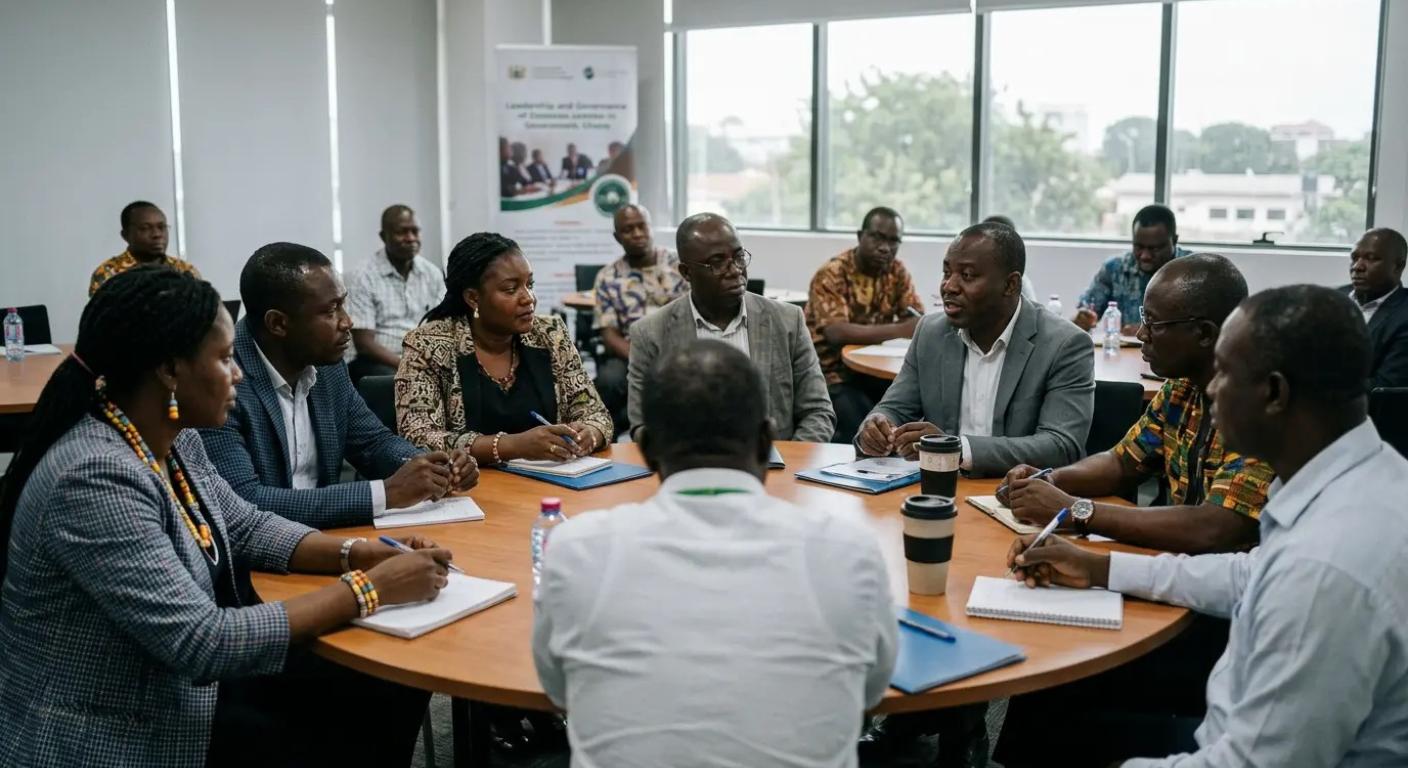
This intervention aims to improve the operational effectiveness of local organizations by strengthening their internal systems and processes. Many community-based organizations face challenges in areas such as record-keeping, reporting, human resource management, and data handling, which can limit their performance and accountability.
The initiative provides direct technical support to help organizations establish practical and efficient systems tailored to their scale and context. This includes setting up basic accounting systems, developing monitoring and evaluation frameworks, creating standard operating procedures, and improving documentation and reporting practices.
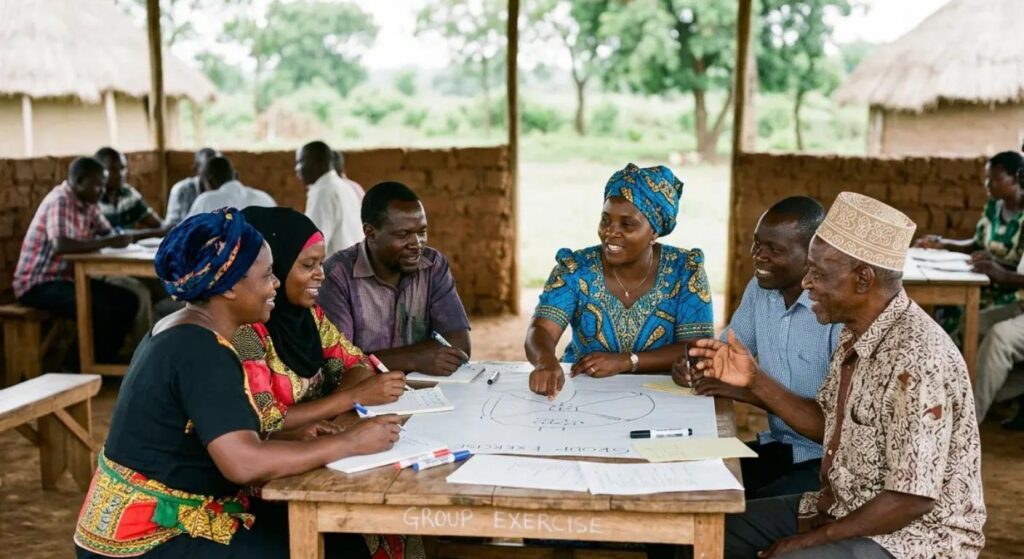
Training is provided to staff on how to use these systems effectively in their daily work. This ensures that new tools and processes are not only introduced but also consistently applied. Ongoing mentoring and follow-up support help organizations refine their practices and address challenges as they arise.
The intervention also promotes better planning and coordination within organizations, enabling teams to work more efficiently and align their activities with strategic objectives. Improved data management supports evidence-based decision-making and enhances the ability to track progress and demonstrate results.
By strengthening systems and operations, organizations become more organized, transparent, and responsive. They are better equipped to meet donor requirements, manage resources effectively, and deliver quality services to communities.
Overall, the intervention contributes to building reliable and high-performing organizations that can sustain their work, scale their impact, and play a stronger role in local development.