Environment & Climate Adaptation
Supporting environmental protection, natural resource management, climate change adaptation, disaster risk reduction, and sustainable community practices.
Environment & Climate Adaptation Projects
Community-Based Reforestation and Environmental Restoration
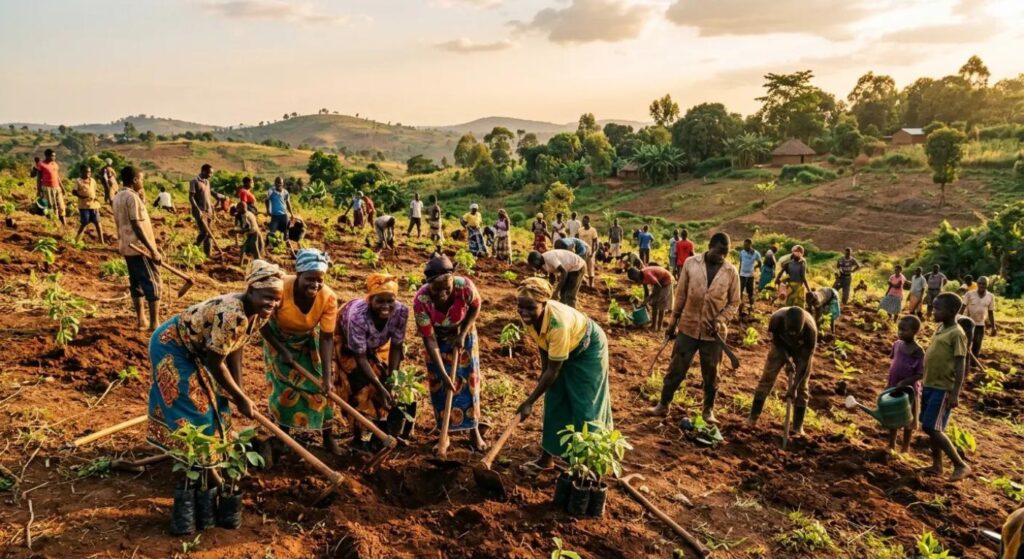
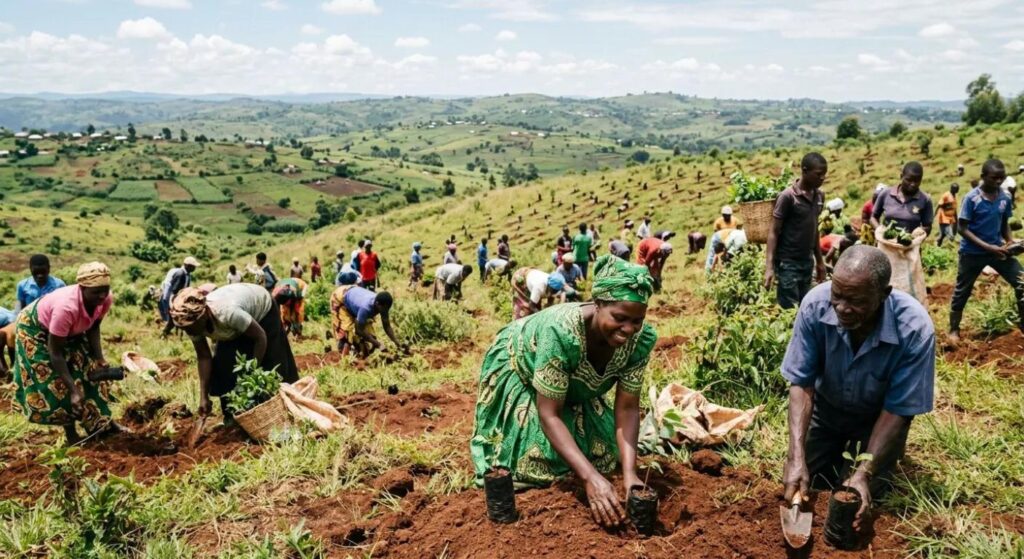
This intervention focuses on restoring degraded landscapes through community-driven tree planting and long-term environmental stewardship. It mobilizes schools, community groups, and local authorities to participate in reforestation efforts, promoting collective responsibility for natural resource management.
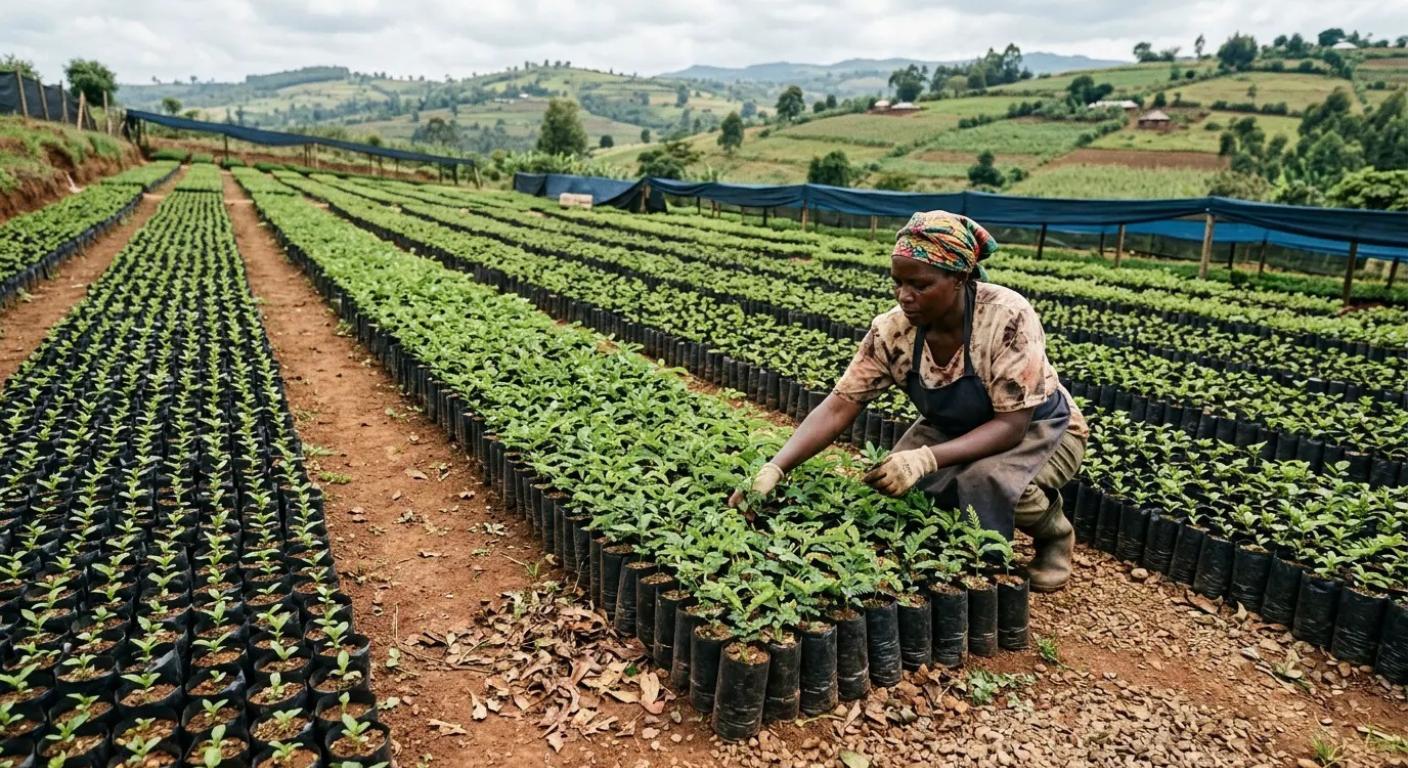
Activities include the distribution of indigenous and fruit tree seedlings, establishment of community nurseries, and practical training on proper planting, maintenance, and protection of trees. Participants learn techniques such as site selection, spacing, watering, and early-stage care to improve survival rates and long-term growth. The use of indigenous species supports biodiversity, while fruit trees provide additional nutritional and economic benefits.
Community ownership is a central element. Management committees are formed to oversee planted areas, ensure protection from grazing or damage, and coordinate ongoing care. This strengthens accountability and encourages long-term sustainability of reforested land.
Beyond environmental restoration, the intervention contributes to improved livelihoods. Tree planting supports soil fertility, reduces erosion, and enhances local water retention, benefiting agricultural productivity. Over time, households can also generate income from fruit production and sustainable timber use.
By combining ecological restoration with economic benefits and community engagement, the intervention strengthens resilience to environmental degradation. It promotes sustainable land use practices and builds a culture of conservation, contributing to healthier ecosystems and more secure livelihoods.
Community Climate Adaptation Capacity Building and Resilient
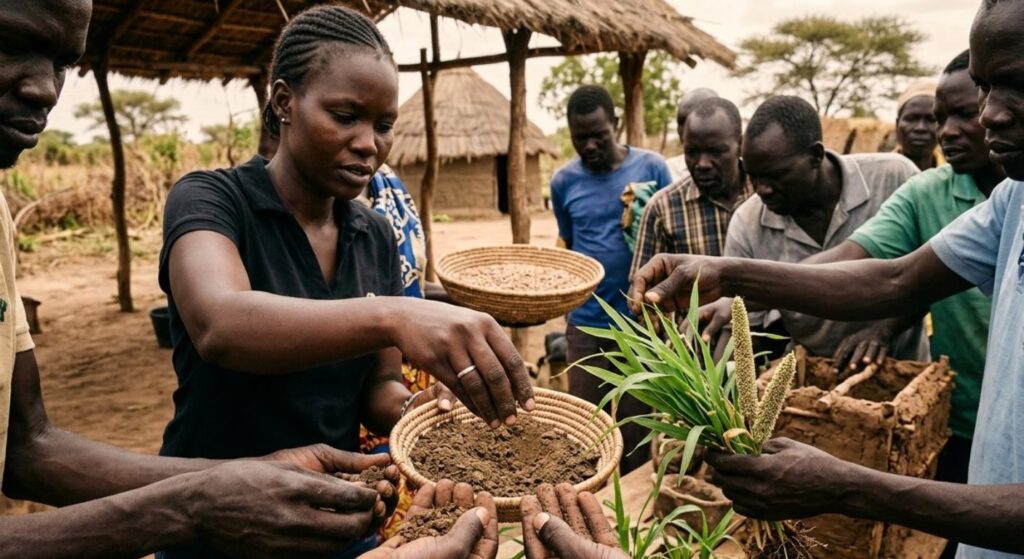
This intervention strengthens the capacity of communities to adapt to the growing impacts of climate change. It equips households with practical knowledge and tools to manage climate risks and sustain their livelihoods under changing environmental conditions.
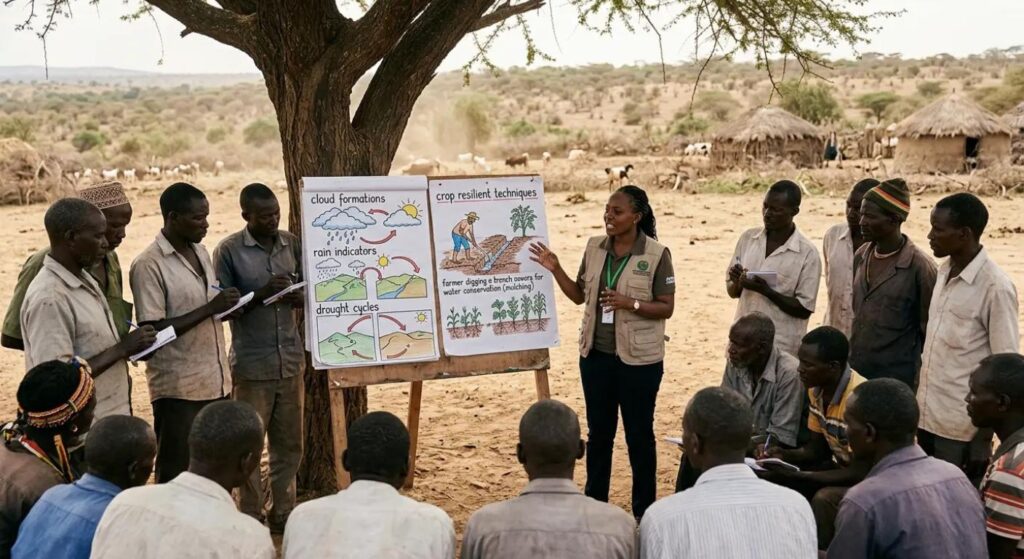
Training focuses on climate risk assessment, understanding weather patterns, water conservation, fire management, and diversification of income sources. Farmers are supported to adjust planting calendars, select climate-appropriate crops, and adopt practices that reduce vulnerability to droughts and irregular rainfall. Livestock owners are guided on measures to protect animals during extreme weather conditions.
The approach emphasizes participatory learning, where communities analyze local climate challenges and develop context-specific solutions. Collaboration with meteorological services enables access to timely weather information, helping communities make informed decisions related to farming and resource management.
Scenario planning exercises are used to prepare communities for future uncertainties, encouraging proactive thinking and long-term planning. This helps households anticipate risks and respond more effectively to environmental changes.
By building knowledge, skills, and adaptive practices, the intervention enhances resilience at both household and community levels. It supports more stable livelihoods, reduces vulnerability to climate shocks, and promotes sustainable resource management in the face of ongoing environmental change.
Disaster Risk Reduction
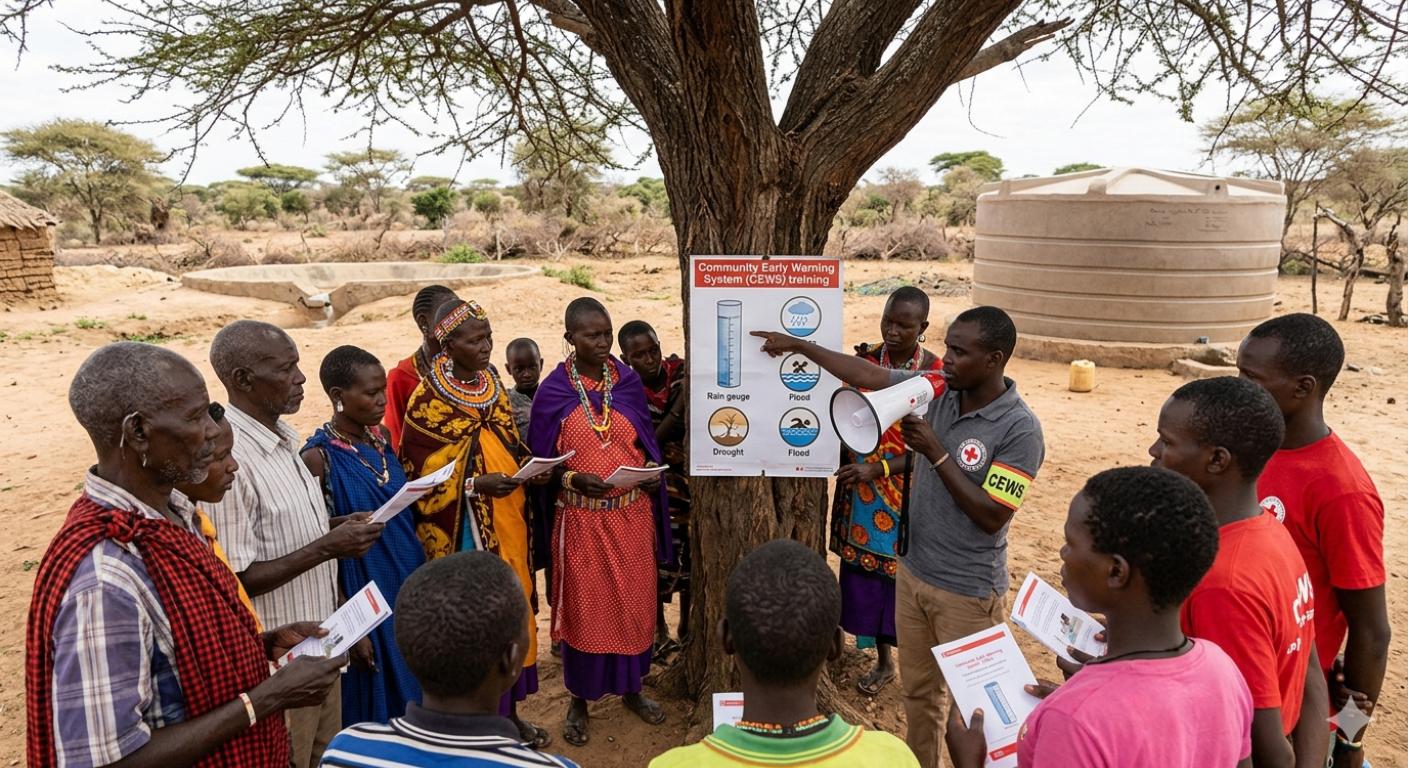
This intervention focuses on strengthening community preparedness and resilience to natural hazards such as floods, droughts, and extreme weather events. It shifts the approach from reactive emergency response to proactive risk reduction and preparedness planning.
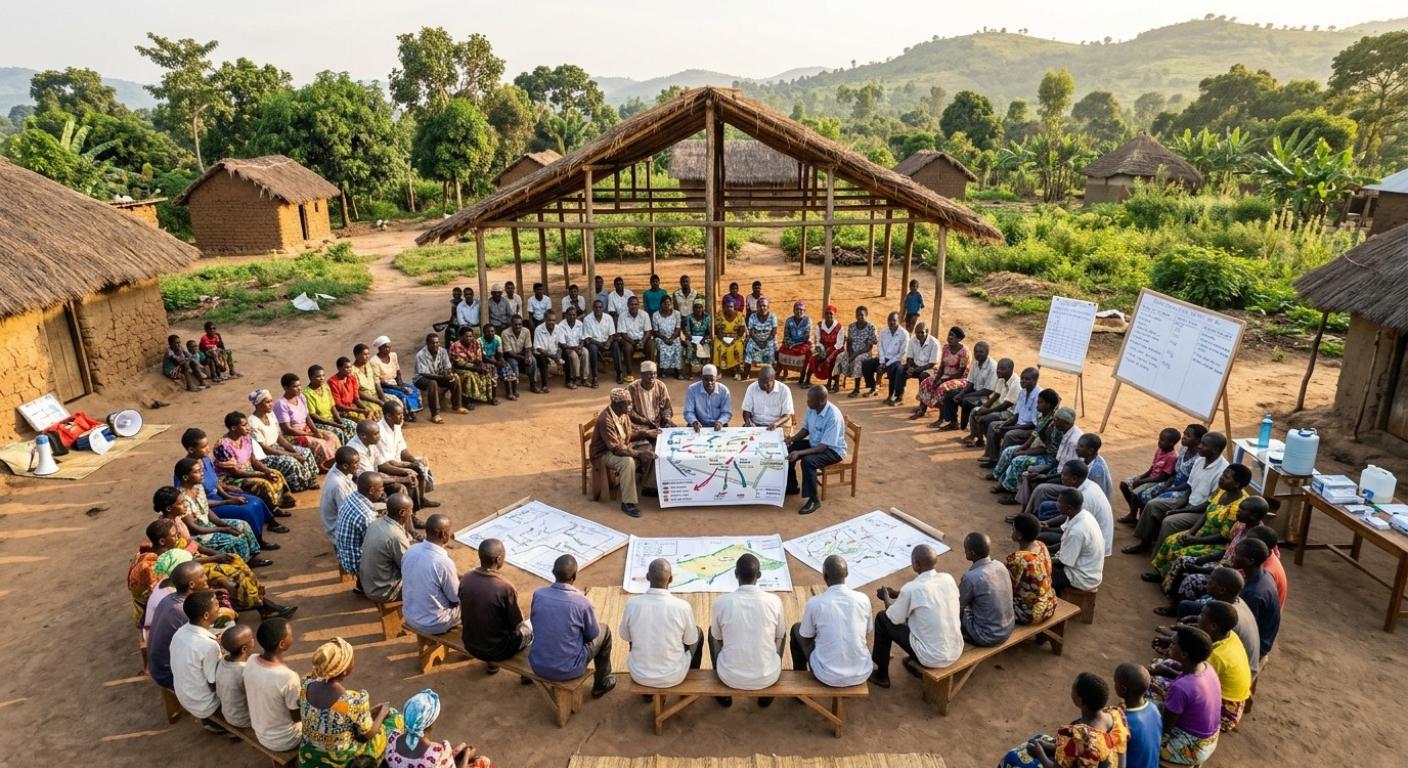
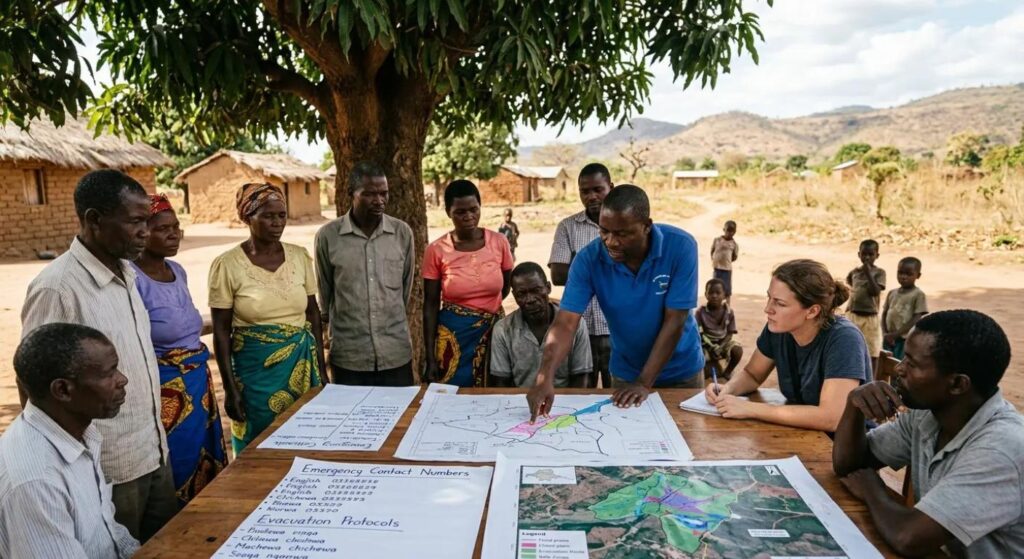
Communities are supported to develop local disaster contingency plans that outline roles, responsibilities, and response actions during emergencies. Early warning committees are established and trained to monitor risks, share information, and coordinate timely responses. Regular simulation exercises and drills help communities practice emergency procedures and improve readiness.
The intervention also promotes practical measures to reduce risk at both community and household levels. This includes supporting small-scale infrastructure such as drainage improvements and flood protection structures, as well as encouraging safe food storage, water conservation, and basic evacuation planning.
Awareness sessions are conducted to build understanding of disaster risks and appropriate response strategies. These activities strengthen coordination among community members and improve communication during crisis situations.
By enhancing preparedness and response capacity, the intervention reduces the impact of disasters on lives and livelihoods. Communities become better equipped to anticipate risks, respond effectively, and recover more quickly from shocks, contributing to long-term resilience and stability.
Sustainable Energy Access and Clean Cooking Solutions for Household Wellbeing
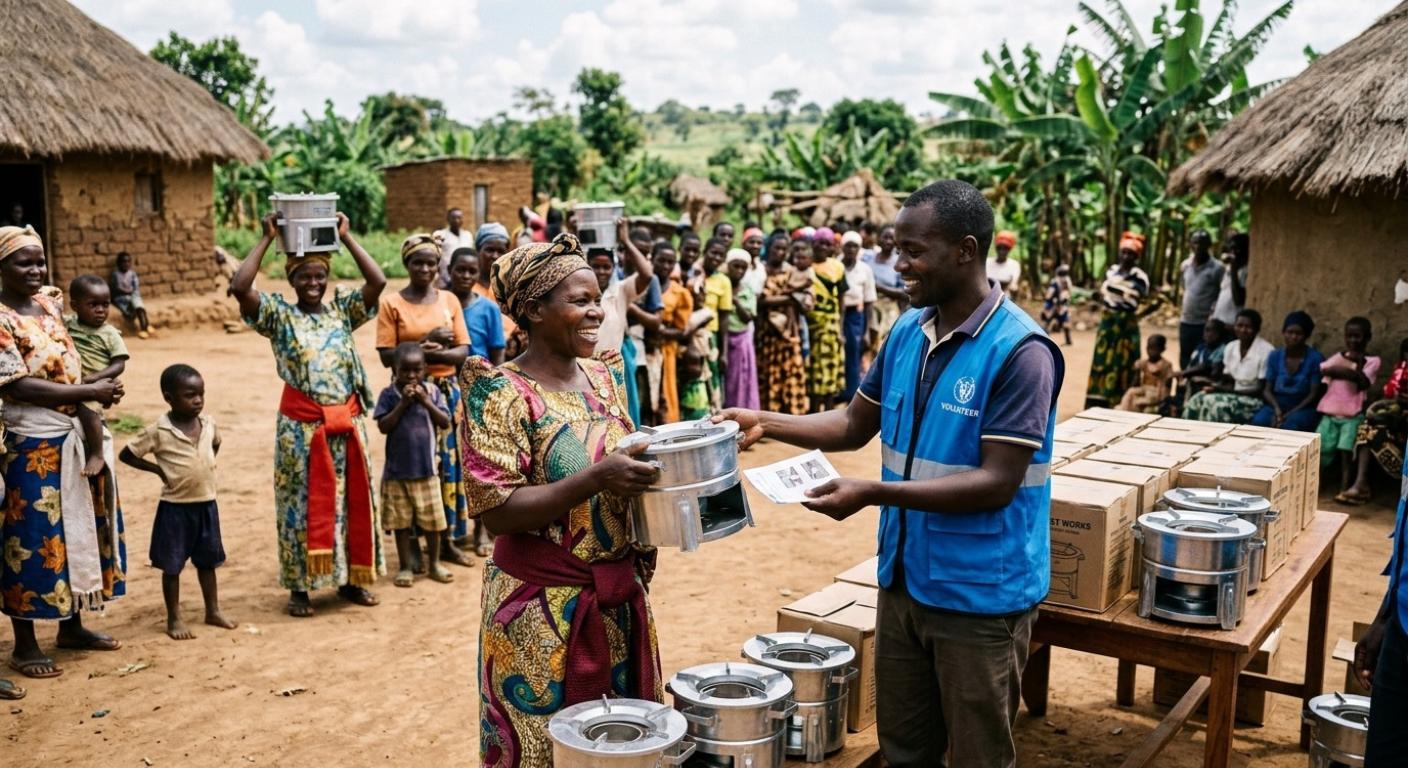
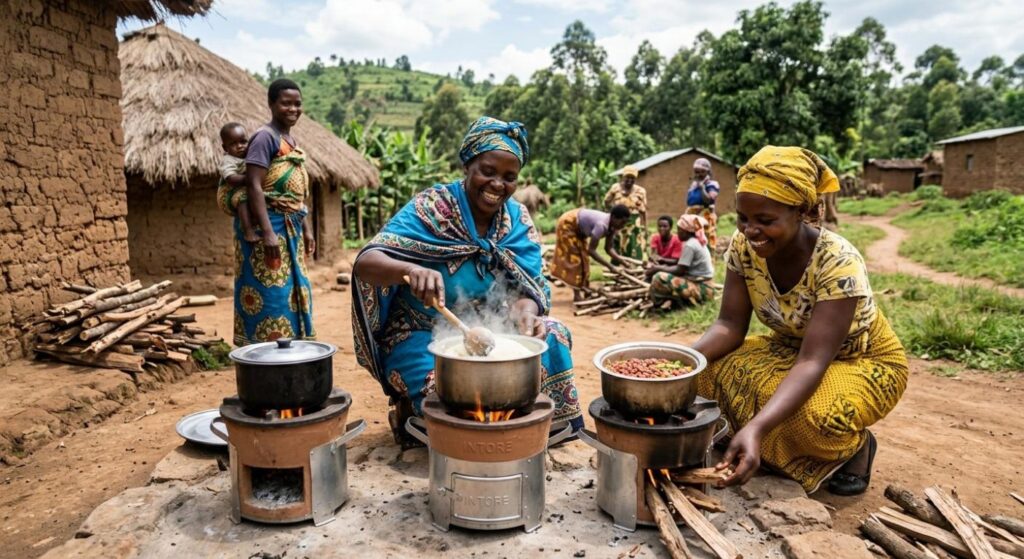
This intervention promotes the adoption of clean and sustainable energy solutions to reduce dependence on traditional fuels such as firewood and charcoal. It addresses environmental degradation, indoor air pollution, and health risks associated with conventional cooking practices.
The initiative introduces fuel-efficient cookstoves, alternative fuels such as briquettes made from agricultural waste, and small-scale solar energy solutions for lighting and basic household needs. These technologies are designed to be affordable, accessible, and suitable for local contexts.
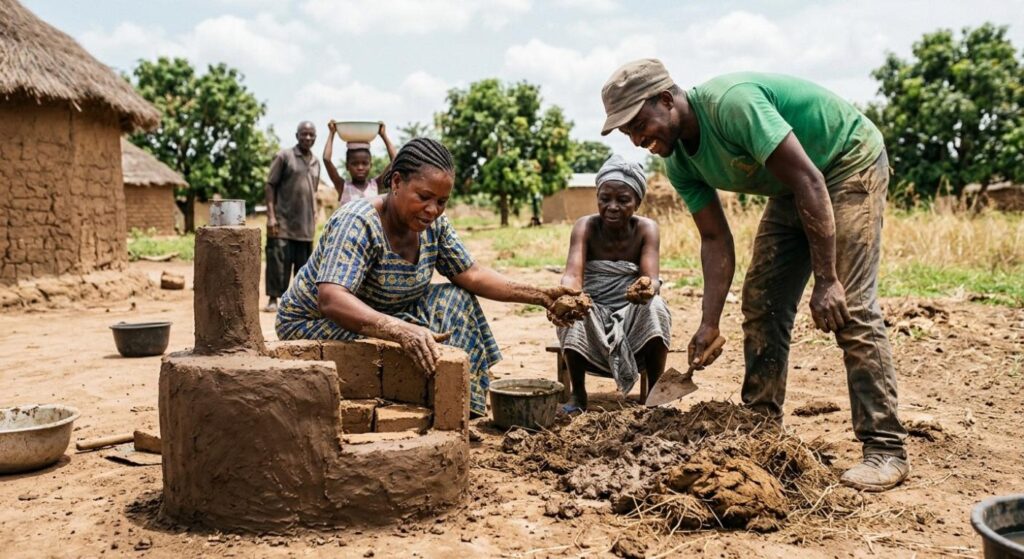
Training is provided to community members, particularly women’s groups, on the production and maintenance of improved cookstoves. This creates local supply chains and income-generating opportunities, while ensuring that households have continued access to clean energy solutions.
In addition to reducing fuel consumption, the intervention significantly lowers exposure to smoke, improving health conditions within households. It also reduces the time and effort required for fuel collection, allowing more time for productive and social activities.
Environmental benefits include reduced pressure on forests and natural resources, contributing to long-term sustainability. By combining health, economic, and environmental outcomes, the intervention supports improved quality of life and promotes a transition toward more sustainable energy practices at community level.